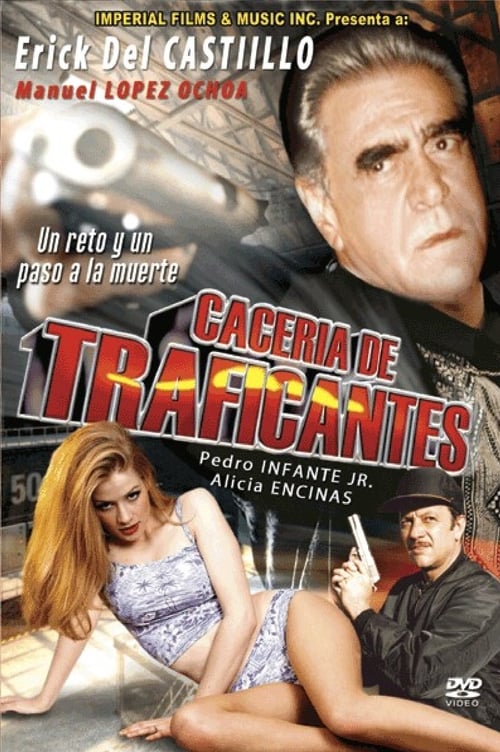
Cacería de Traficantes
1983
No user ratings available yet
Representation score: 0.6 out of 10
Representation Score
Minimal
1985
Director
Alfredo Gurrola
Runtime
95 minutes
Average Rating
No ratings yetNew Showbiz Analysis
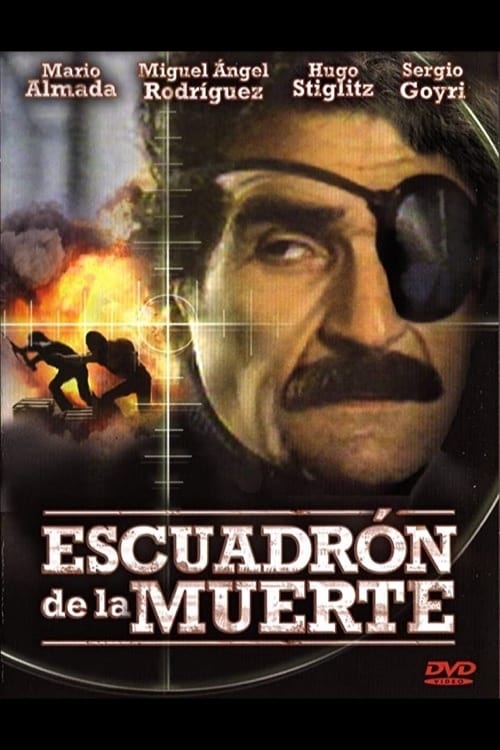
Death Squad operates within the established boundaries of mid-1980s action-crime cinema. The narrative is driven by traditional masculine archetypes and revenge clichés, which limits its engagement with diverse social hierarchies. While the film offers a non-Anglo perspective that disrupts the Western-centric dominance of Hollywood, it does not actively seek to disrupt identity-based norms. The focus remains on a singular, heroic archetype rather than a diverse ensemble. Ultimately, the film serves as a genre piece reflecting the era's standard storytelling patterns rather than providing a platform for diverse perspectives.
Category Breakdown
The film follows a typical crime-revenge storyline. There is no representation of LGBTQ+ identities or narratives that challenge the assumption that everyone is straight or cisgender.
The story focuses on a male protagonist and his male-dominated team. It relies on traditional masculine stereotypes and lacks evidence of women taking a leading role or challenging gender roles.
The film's production context suggests roots in Mexican or Latin American cinema, offering representation that breaks the Western-centric dominance typical of 1985 Hollywood action films.
The plot explores systemic corruption and skepticism toward institutional authority. However, the focus remains on personal revenge rather than a deeper socio-political analysis of power structures.
There is no information regarding the inclusion of characters with physical or neurodivergent disabilities.
Present on Screen
Limited or Absent
Official Synopsis
Mario Balbuena, a honest cop, becomes the victim of an ambush by drug dealers and dirty cops, after that, he recruits a group of sleazy criminals in order to strike his revenge.
1983
1983
1985
2010

1995
2022
1979

1991
No reviews yet. Be the first to share your thoughts on this movie!
Use the rating form above to leave a star rating and optional review.