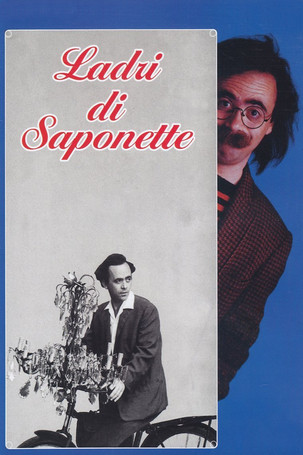
The Icicle Thief
1989
No user ratings available yet
Diversity score: 4.4 out of 10

2018
Not RatedDirector
Eugène Green
Runtime
27 minutes
Average Rating
No ratings yetSynopsis
Lisbon, Portugal, 1927. The writer and journalist Fernando Pessoa accepts from his boss the commission to create an advertising slogan for the drink Coca-Louca; but conservative government authorities consider the new drink as revolutionary as it is diabolical.
Overall Score
Fair
Category Breakdown
LGBTQ+ Representation
The film lacks explicit depictions of LGBTQ+ characters or non-heteronormative identities. The narrative remains centered on the professional and intellectual life of Fernando Pessoa in 1927 Lisbon.
Gender Representation
Agency is primarily concentrated in the male protagonist, Pessoa, as he navigates his professional landscape. While the conflict challenges conservative authorities, female character arcs are not detailed.
Racial & Ethnic Diversity
Set in 1927 Portugal, the film appears to feature a predominantly homogeneous cast. The narrative focuses on a localized intellectual struggle consistent with the era's social constraints.
Religious & Cultural Diversity
The film highlights a tension between individual creativity and institutional control. It uses satire to critique traditionalist power structures and the rigidity of conservative government authorities.
Disability Representation
There are no visible or invisible disabilities portrayed as part of the narrative or used as plot devices.
Strengths
Areas for Improvement
AI Analysis
Eugène Green’s film is a historical comedy that prioritizes intellectual rebellion over modern identity-driven storytelling. It functions as a study of individual agency against systemic rigidity, using the protagonist's creative work to disrupt conservative norms. While the film lacks intersectional representation regarding gender, race, or sexuality, it finds strength in its critique of institutional authority. The narrative centers on the power of linguistic and creative agency to challenge the status quo. Ultimately, the film is a period piece that reflects the social homogeneity of 1920s Lisbon, offering more intellectual subversion than social diversity.
1989
1978
1998
1978
2013
2010
2002
1958
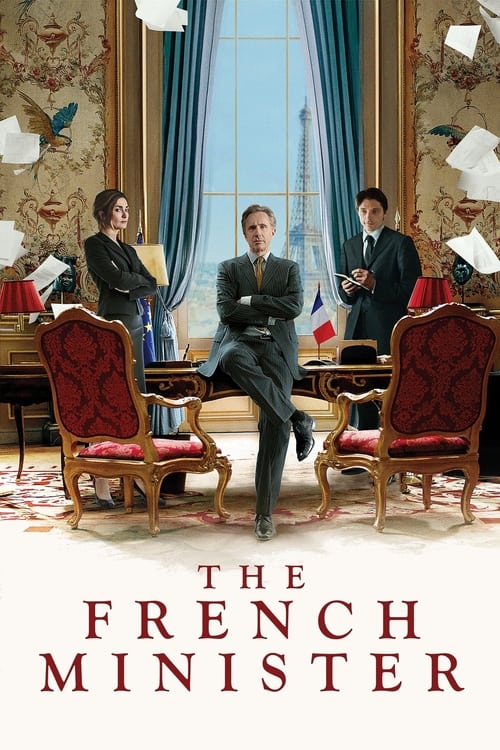
2013
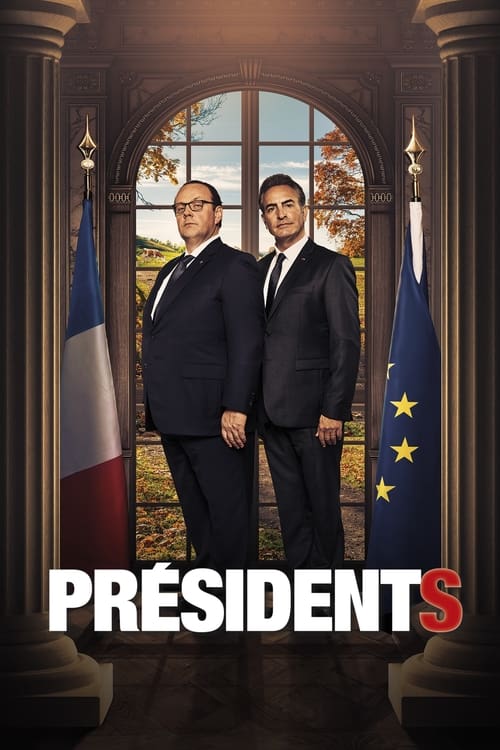
2021
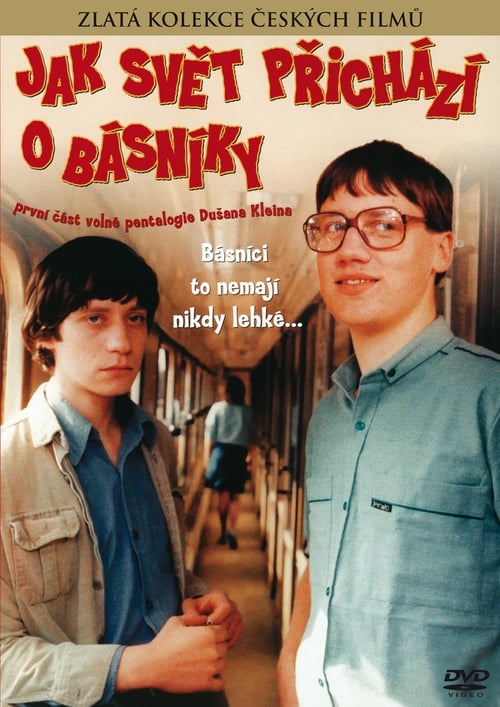
1982
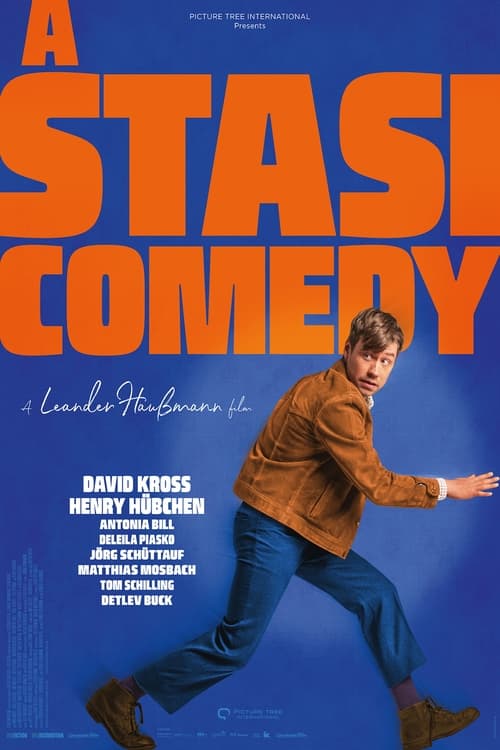
2022
No reviews yet. Be the first to share your thoughts on this movie!
Use the rating form above to leave a star rating and optional review.