All She Wishes
2015
No user ratings available yet
Representation score: 3.9 out of 10
Representation Score
Fair
2022
Director
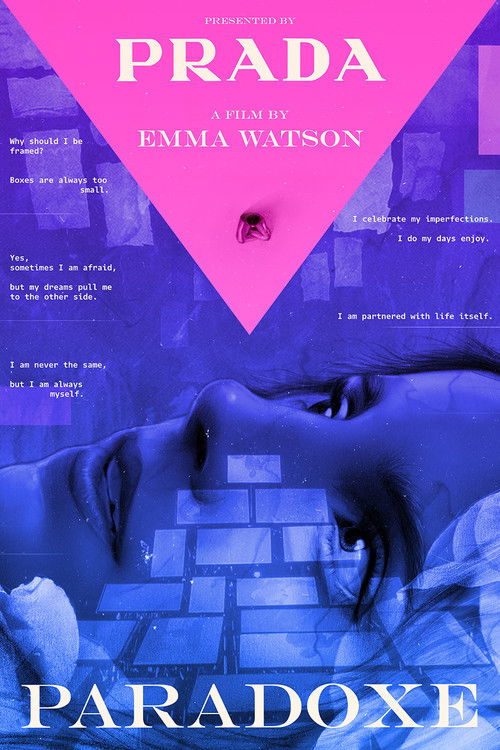
Emma Watson
Runtime
2 minutes
Average Rating
No ratings yetNew Showbiz Analysis
Prada Paradoxe functions as a meta-narrative that disrupts the historical power imbalance between the creator and the subject. By positioning the protagonist as both the lens-bearer and the subject, the film actively dismantles the traditional 'muse' archetype. The film excels in its portrayal of female creative control, moving beyond mere presence to demonstrate professional and intellectual dominance. It replaces passive feminine clichés with a model of creative autonomy. While the thematic focus on subverting archetypes suggests an openness to diverse identities, the lack of specific demographic data regarding race, disability, or orientation limits a complete assessment of its inclusivity.
Category Breakdown
The film explores themes of paradox and subversion that create space for non-straight identities. However, specific LGBTQ identities or romantic pairings are not explicitly confirmed.
The narrative centers a female creator who rejects the passive 'muse' cliché. By reclaiming writing and directing roles, the film promotes female intellectual and professional control.
There is insufficient information regarding the cast composition or the ethnic backgrounds of the characters to provide a definitive assessment.
The work prioritizes individual control and critiques singular, prescribed identities. This framing suggests a move toward moral relativism over traditional social norms.
No specific details regarding neurodivergence or physical disabilities are present in the narrative context.
Present on Screen
Limited or Absent
Official Synopsis
Emma Watson breaks the mould of the muse to be both in front of and behind the lens, writing her own script and narrating her own story of being a living paradox.
2015

2020

2022

2008
2016

2024

2020

2017
No reviews yet. Be the first to share your thoughts on this movie!
Use the rating form above to leave a star rating and optional review.