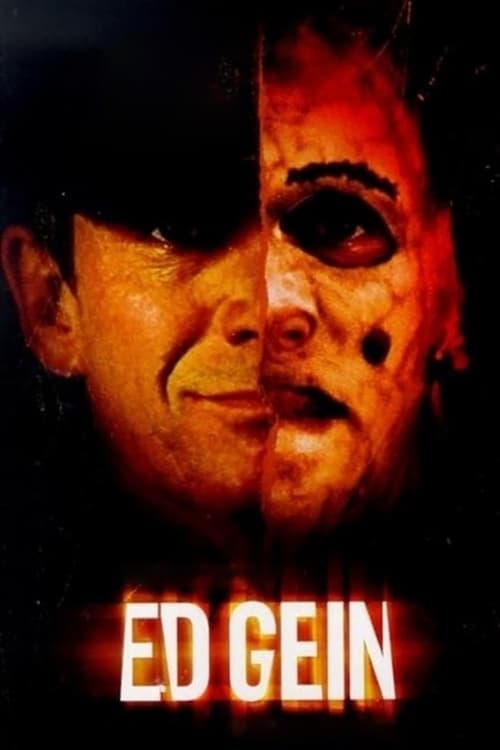
Ed Gein
2000
No user ratings available yet
Representation score: 4.9 out of 10

Representation Score
Good
2000
Director
Peter Filardi
Runtime
111 minutes
Average Rating
No ratings yetNew Showbiz Analysis
Ricky 6 serves as a subversive crime drama that uses true crime to dismantle the perceived sanctity of suburban life. It successfully challenges the moral stability of upper-class environments through its focus on transgressive subcultures. However, the film struggles with depth in representation. The narrative remains heavily centered on a male lead, and mental health elements appear more as thriller clichés than nuanced character studies. While the multicultural production provides a diverse foundation, the film lacks overt visibility for LGBTQ+ identities and specific neurodivergent perspectives.
Category Breakdown
The film touches on themes of social isolation and teenage angst. Though it doesn't explicitly depict non-straight relationships, the story structure hints at potential queer-coded subtext.
The story focuses on a male protagonist, which might reinforce patriarchal structures. However, the prominent role of Emmanuelle Chriqui suggests that women play a significant part in the crime drama.
As an American-Mexican-Canadian co-production, the film includes a diverse cast that challenges the typical homogeneity of upper-class Long Island settings.
The narrative questions the moral superiority of the upper class by depicting Satanism and drug use within a high-status suburb. It portrays traditional institutions as potentially persecutory.
The protagonist is described as disturbed, but there is a risk that mental health issues serve only as plot devices for horror. The film lacks clear evidence of neurodivergent individuals taking control of their lives.
Present on Screen
Limited or Absent
Official Synopsis
Based on the true story of drugs, satanism, and murder in the upper class town of Northport, Long Island in 1984.
2000

2011
2008
2013
2006

2007

1985
1999
No reviews yet. Be the first to share your thoughts on this movie!
Use the rating form above to leave a star rating and optional review.