
Hansel & Gretel: Witch Hunters
2013
No user ratings available yet
Representation score: 6.0 out of 10
Representation Score
Fair
2005
PG-13Director
Terry Gilliam
Runtime
118 minutes
Average Rating
No ratings yetNew Showbiz Analysis
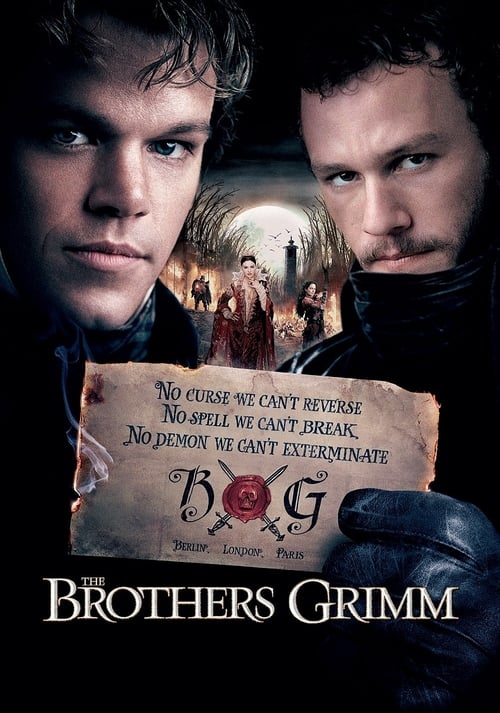
Terry Gilliam’s film prioritizes postmodern deconstruction over demographic inclusivity. It succeeds in challenging institutional stability and the concept of objective truth through its skeptical, anti-authoritarian narrative structure. However, the work remains anchored in traditional racial and gendered archetypes. While the visual style is surreal and disruptive, this energy does not extend to the systemic representation of underrepresented identities. Ultimately, the film is a study in cultural subversion that lacks breadth in social diversity, focusing more on the blurring of myth and fact than on inclusive character development.
Category Breakdown
The film does not include any LGBTQ+ characters or narratives. Romantic and social dynamics follow traditional heterosexual norms without challenging these structures.
The story relies on fairy tale archetypes such as the wicked queen and innocent maiden. While the Mirror Queen plays a significant role in driving the story, the film adheres to traditional gendered clichés.
Set in a 19th-century European landscape, the cast is predominantly white and Eurocentric. The film reflects the historical setting without prioritizing diverse perspectives or color-blind casting.
The narrative excels at deconstructing authority and traditional truth. It presents a skeptical view of social order through protagonists who manipulate local belief systems and myths.
There is no significant focus on neurodivergence or physical disabilities. The film's grotesque visual style serves as an aesthetic choice rather than a representation of lived disability.
Present on Screen
Limited or Absent
Official Synopsis
Folklore collectors and con artists, Jake and Will Grimm, travel from village to village pretending to protect townsfolk from enchanted creatures and performing exorcisms. However, they are put to the test when they encounter a real magical curse in a haunted forest with real magical beings, requiring genuine courage.
2013
2006
2011

2008

2010
2007

2009
2004
No reviews yet. Be the first to share your thoughts on this movie!
Use the rating form above to leave a star rating and optional review.