
Catch It
2015
No user ratings available yet
Representation score: 2.5 out of 10
Representation Score
Fair
2014
Director
Jacques-Rémy Girerd, Benoît Chieux
Runtime
89 minutes
Average Rating
No ratings yetNew Showbiz Analysis
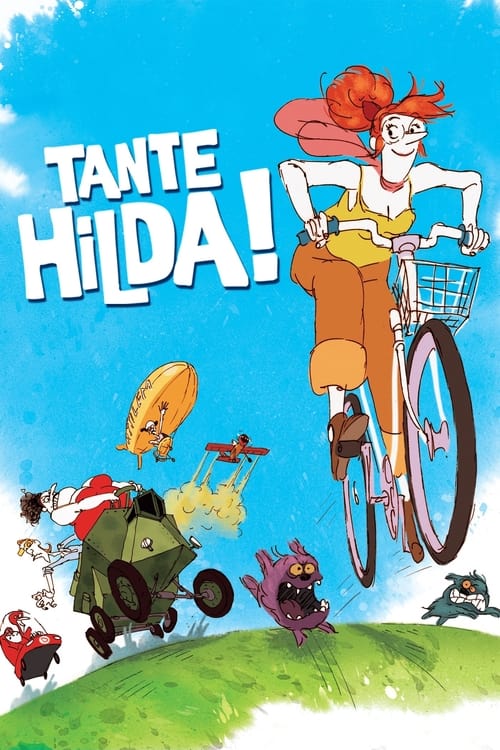
Aunt Hilda! functions mainly as an ecological allegory rather than a detailed exploration of demographic identities. Its core strength lies in its critique of industrial practices and the prioritization of global biodiversity over commercial interests. The film questions the notion that technological advancements are always beneficial. By portraying large-scale agricultural solutions as potentially harmful, it adopts a critical stance against capitalism. Though it does not depict LGBTQ+ or disabled characters, the film successfully emphasizes women's ability to drive the story and raises awareness about the impact of globalization on the natural world.
Category Breakdown
The story centers on the conflict between plant conservation and industrial farming. It does not include any explicit LGBTQ+ characters or identities that challenge the assumption that everyone is straight or cisgender.
Hilda, the female lead, drives the plot with her unique botanical expertise. She challenges the traditional idea of male-dominated industry by taking a leading role in protecting rare plants.
The film showcases rare plants from around the globe. However, there are no specific details about human racial diversity or ethnic representation.
The movie critiques capitalist systems and corporate greed. It highlights the negative impacts of genetically modified crops on the environment, presenting a sharp critique of the commodification of nature.
The film does not feature any characters with visible or invisible disabilities.
Present on Screen
Limited or Absent
Official Synopsis
Plant loving Hilda has created a museum where she preserves endangered and rare plants from all over the world. Meanwhile, Attilem, a new genetically modified cereal, is launched on the market. Growing with little water and fertilizer while generating high crop field, Attilem looks like an ideal solution to eradicate starvation and provide an alternative to diminishing oil reserves. But nothing is at it seems...
2015

2002
2011

2017
1989

2013

2018
2016
No reviews yet. Be the first to share your thoughts on this movie!
Use the rating form above to leave a star rating and optional review.