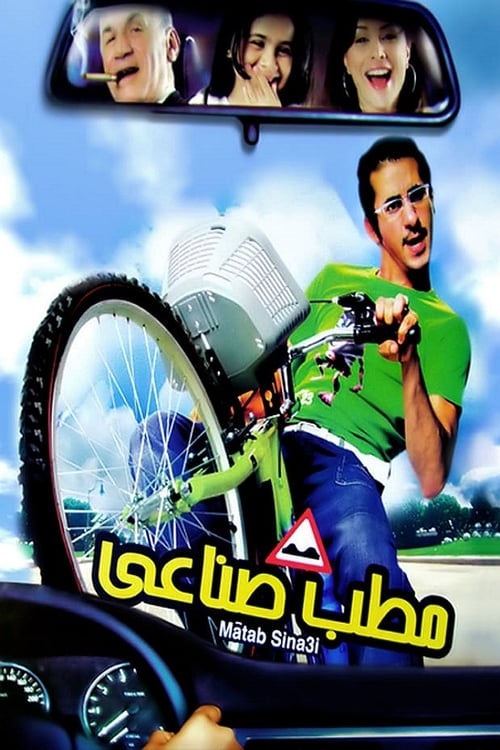
Life's Speed Bump
2006
No user ratings available yet
Diversity score: 2.8 out of 10
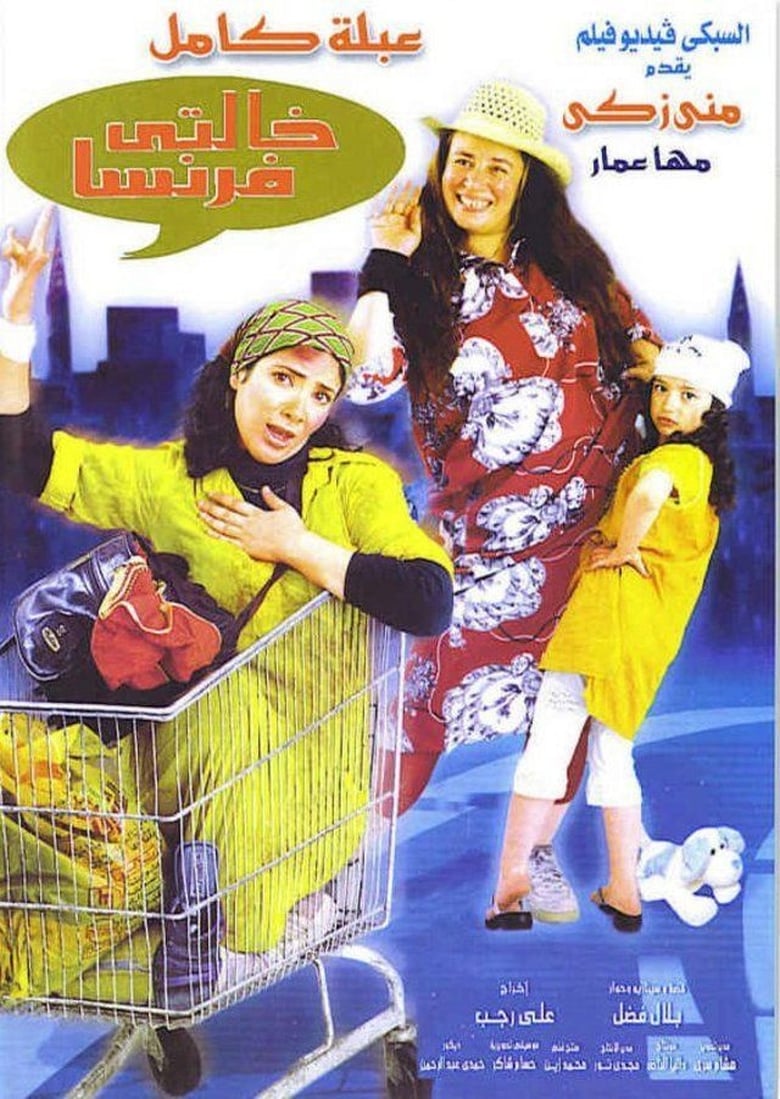
2004
Director
Ali Ragab
Runtime
100 minutes
Average Rating
No ratings yetSynopsis
Batta and Wezza are two siblings living with their aunt Faransa at a local neighborhood as the latter works as a hired mourner. Batta accepts to pursue the same career as her aunt, under one condition: to keep Wezza away from all the mourning and the weeping and let her continue her studies.
Overall Score
Fair
Category Breakdown
LGBTQ+ Representation
The film lacks any visible LGBTQ+ characters or narratives addressing non-cisnormative identities. The story focuses strictly on sibling bonds and professional mourning.
Gender Representation
Female agency drives the plot through Faransa's specialized career and Batta's protective decisions. This structure disrupts patriarchal hierarchies by centering decision-making within a female-led domestic unit.
Racial & Ethnic Diversity
The production reflects a specific regional identity through its cultural setting. It avoids a Western-centric model by focusing on localized traditions like hired mourning.
Religious & Cultural Diversity
The narrative explores the tension between traditional labor and modern education. It examines how a family navigates social expectations and cyclical poverty through cultural practices.
Disability Representation
There is no mention of characters with visible or invisible disabilities. The provided context does not include any representation in this category.
Strengths
Areas for Improvement
AI Analysis
Auntie Faransa is a localized character study that finds its strength in centering female agency. The film moves away from passive female tropes by making the women the primary architects of their family's socio-economic future. However, the film lacks engagement with broader intersectional spectrums. There is no representation of LGBTQ+ identities or characters with disabilities, leaving those narrative dimensions unexplored. Ultimately, the film offers a culturally specific look at the struggle between tradition and modernity, prioritizing female education over repetitive, traditional labor cycles.
2006
2010
2002
2010
1950
1985
2003
2023

2009

2016
2011
2000
No reviews yet. Be the first to share your thoughts on this movie!
Use the rating form above to leave a star rating and optional review.