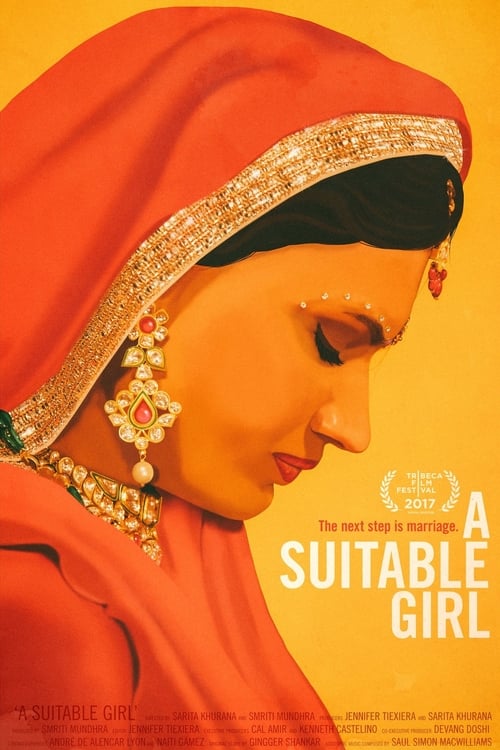
A Suitable Girl
2017
No user ratings available yet
Representation score: 6.5 out of 10

Representation Score
Fair
2013
Director
Ritu Sarin, Tenzing Sonam
Runtime
75 minutes
Average Rating
No ratings yetNew Showbiz Analysis
When Hari Got Married is an ethnographic study that challenges traditional expectations. Instead of reinforcing communal stability, it explores the friction between systemic social pressures and individual autonomy. The film elevates the protagonist's autonomy, especially that of the female lead, above established social hierarchies. By presenting romantic choice as a challenge to long-standing cultural norms, the work aligns with progressive storytelling values. While it lacks LGBTQ+ representation, it excels in providing a localized, organic exploration of ethnic identity and gendered decision-making processes.
Category Breakdown
The film focuses on a heterosexual romantic arc between Hari and Kashmala. It does not feature LGBTQ+ characters or non-assuming gender matches what was assigned at birth identities.
The film portrays Kashmala who play a significant role in driving the story, showing her ability to make independent decisions within a patriarchal society. It does not include LGBTQ+ characters or non-assuming gender matches what was assigned at birth identities.
The documentary centers on the Ladakhi community, offering an authentic, non-Western perspective that highlights the unique culture and traditions of a specific Himalayan demographic.
The film examines the tension between communal institutions and personal romantic desires, highlighting the conflict between traditional social structures and individual autonomy.
No specific depictions of visible or invisible disabilities are central to the narrative arc.
Present on Screen
Limited or Absent
Official Synopsis
Age-old customs and traditions collide with a rapidly modernizing India when Hari, a small-town taxi driver, has an arranged marriage to a girl he has never met
2017
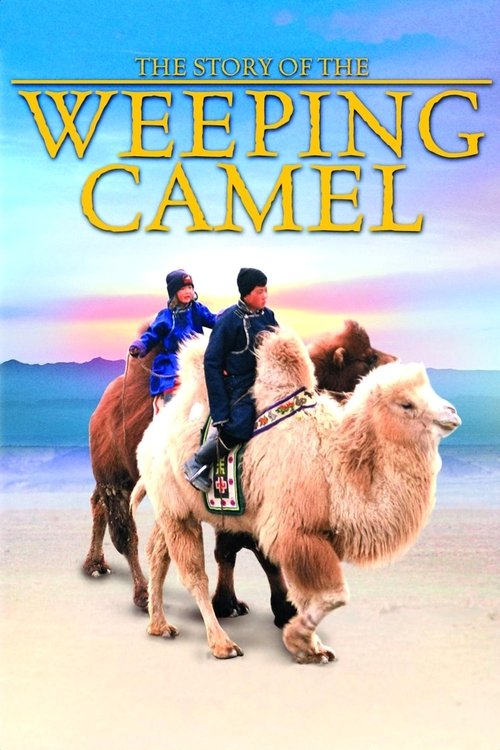
2004

2022
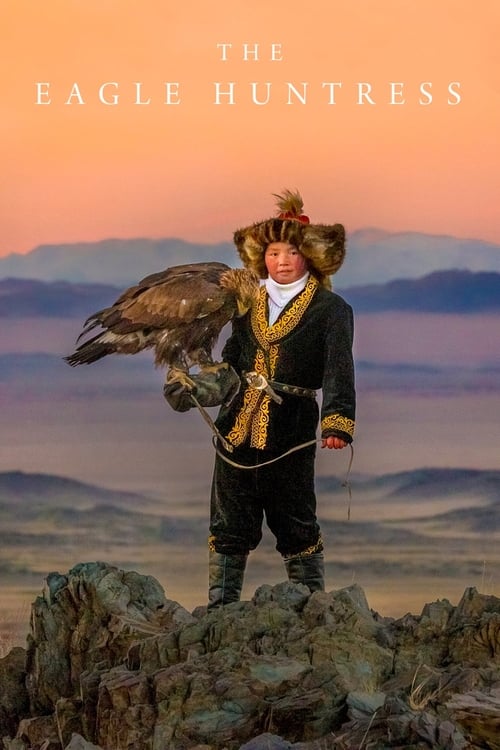
2016

2017
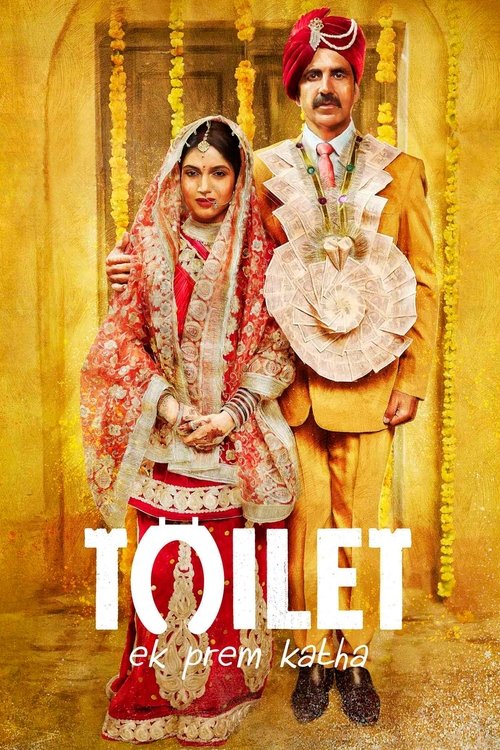
2017

2012

2020
No reviews yet. Be the first to share your thoughts on this movie!
Use the rating form above to leave a star rating and optional review.