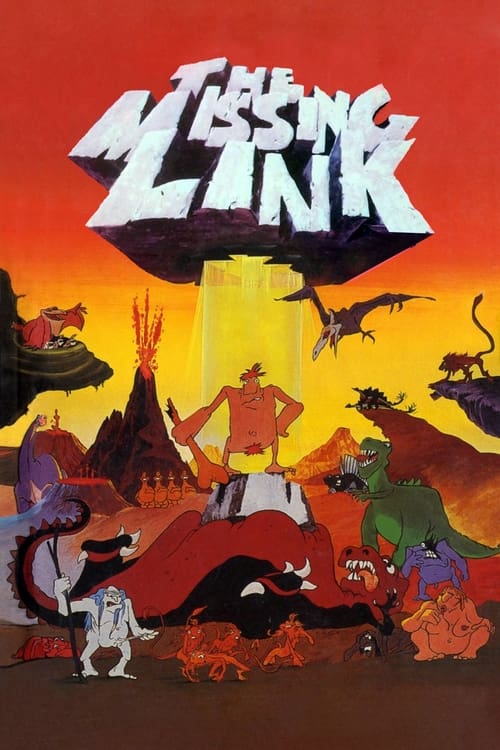
The Missing Link
1980
No user ratings available yet
Representation score: 4.8 out of 10
Representation Score
Fair
1975
RDirector
Boris Szulzinger, Picha
Runtime
68 minutes
Average Rating
No ratings yetNew Showbiz Analysis
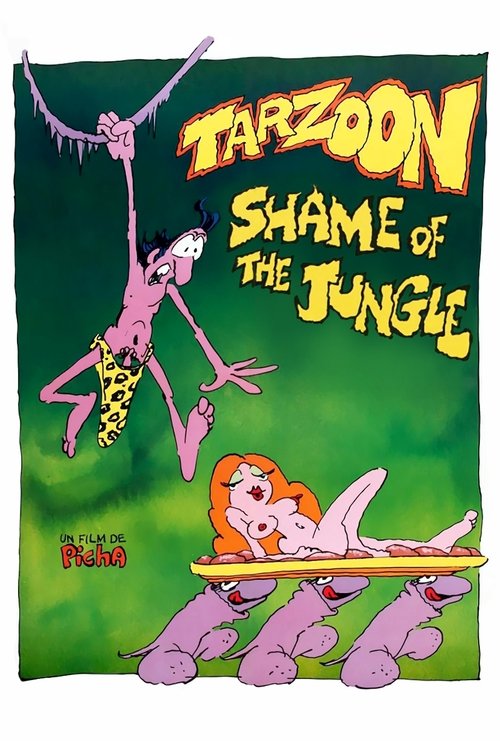
Tarzoon: Shame of the Jungle! is a postmodern deconstruction of the jungle adventure genre. It replaces the stable, moralistic Western adventurer with a chaotic, morally relative figure. This shift rejects the traditional values found in mid-century adventure media. The film's strength lies in its subversion of the heroic archetype. By using grotesque satire and absurdity, it dismantles the hyper-masculine jungle hero and the structured moral universes typical of the era. However, the film lacks modern depth in representing diverse identities. While it mocks colonialist clichés, it still relies on caricatured depictions and offers little intentional LGBTQ+ representation.
Category Breakdown
The film focuses on hyper-sexualized heterosexual humor and anatomical jokes. It does not intentionally represent queer identities or non-traditional gender expressions.
The film challenges the typical image of a competent male leader through incompetence and buffoonery. Queen Bazunga's exaggerated anatomy further disrupts traditional gender roles.
The narrative relies on caricatured tribal characters and exaggerated clichés of primitive jungle life. These depictions serve as a parody of colonialist adventure stories.
The story effectively deconstructs Western institutions by presenting chaos instead of structured morality. It emphasizes situational ethics over traditional virtues.
There are no characters with visible or invisible disabilities playing central roles in the plot.
Present on Screen
Limited or Absent
Official Synopsis
Shame, the ape man of the jungle, is aghast when his woman, June, is kidnapped by a gang of giant penises. They take her to their queen, Bazunga, a bald woman with fourteen breasts. After tangling with a gang of great white hunters, a marauding lion and the Molar Men, Shame sets off to rescue her with only his faithful friend Flicka at his side. He heads for that darkest of areas
1980
1979
1995
1997
1976
1959
2011
1968
No reviews yet. Be the first to share your thoughts on this movie!
Use the rating form above to leave a star rating and optional review.