
Dinosaur Island
1994
No user ratings available yet
Representation score: 2.1 out of 10
Representation Score
Limited
1959
ApprovedDirector
James L. Wolcott
Runtime
72 minutes
Average Rating
No ratings yetNew Showbiz Analysis
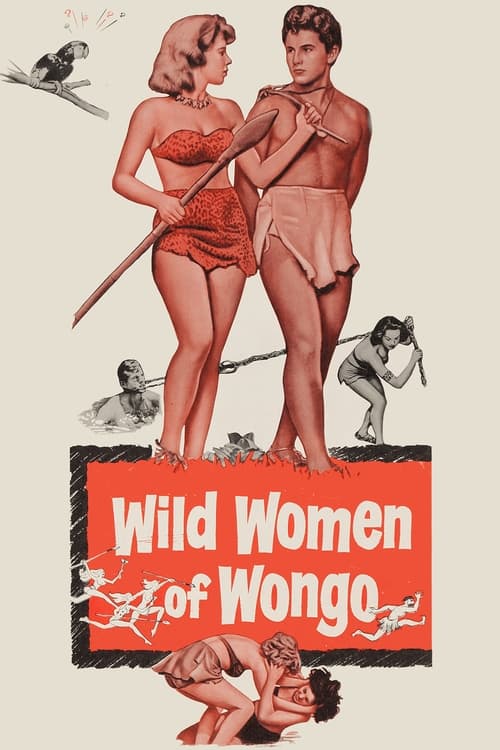
The Wild Women of Wongo follows the standard expeditionary clichés of mid-century adventure-fantasy. The narrative revolves around a binary tribal conflict that prioritizes escapism over social complexity. While women are central to the setting, the film reinforces traditional gender roles and biological essentialism rather than challenging them. Additionally, the colonial-era clichés and dehumanizing metaphors in the setting suggest a lack of multi-layered depth, focusing instead on primal conflict and survivalist morality.
Category Breakdown
The story focuses on heterosexual relationships and capturing mates, with no representation of diverse gender identities or critiques of traditional dating norms.
Women play a central role in the setting, but the narrative adheres to traditional gender roles and biological essentialism, reinforcing rather than challenging existing hierarchies.
The tropical island setting and tribal structure may rely on colonial-era clichés and dehumanizing metaphors, potentially using 'otherness' merely as a backdrop.
The film emphasizes a simplified, survivalist morality typical of 1950s adventure comedies, lacking any critique of Western institutions or secular perspectives.
There are no characters with visible or invisible disabilities mentioned in the narrative, making it impossible to assess any representation of neurodivergence or physical impairments.
Present on Screen
Limited or Absent
Official Synopsis
On the tropical island of Wongo, a tribe of beautiful women discover that the other side of the island is inhabited by a tribe of handsome men. They also discover that a tribe of evil ape men live on the island, too, and the ape men are planning a raid on the tribe in order to capture mates.
1994
1974
1951
1974
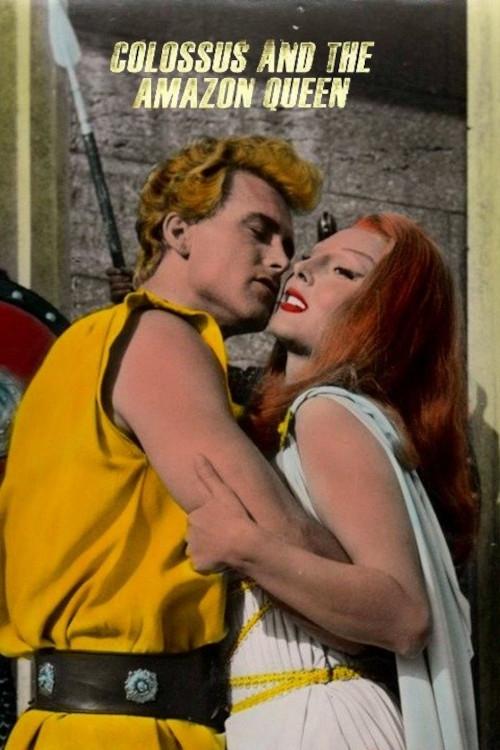
1960
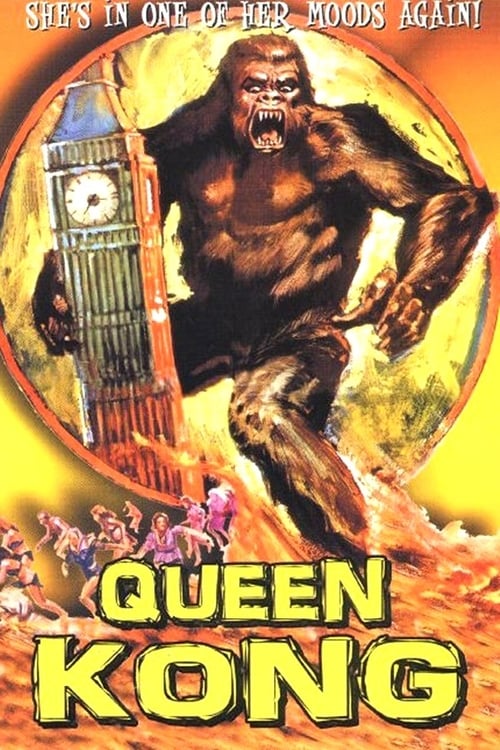
1976
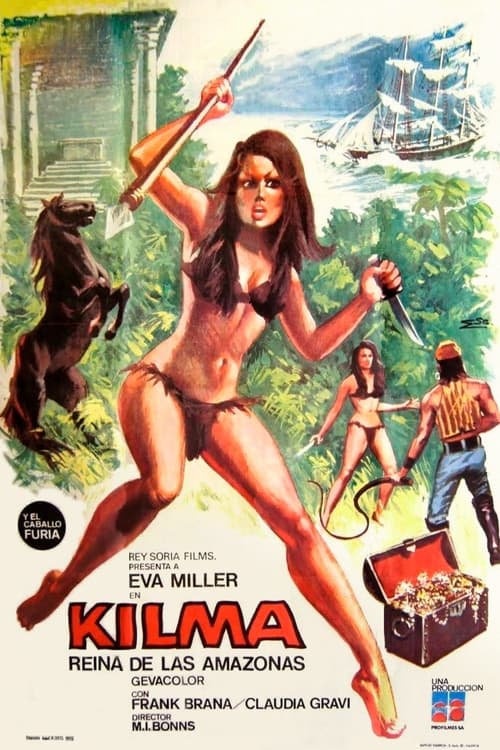
1976
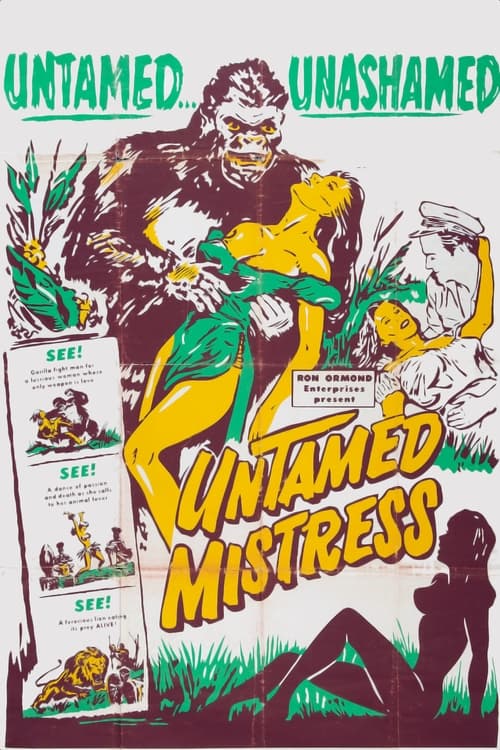
1951
No reviews yet. Be the first to share your thoughts on this movie!
Use the rating form above to leave a star rating and optional review.