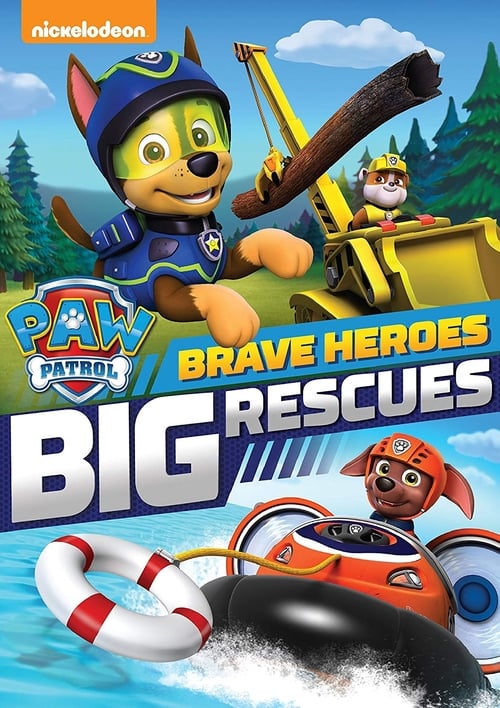
PAW Patrol: Brave Heroes, Big Rescues
2016
No user ratings available yet
Representation score: 3.8 out of 10
Representation Score
Good
2018
GRuntime
0 minutes
Average Rating
No ratings yetNew Showbiz Analysis
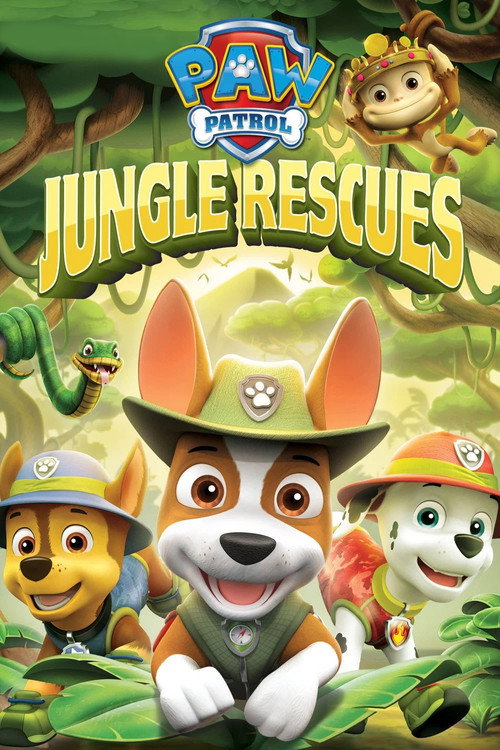
Paw Patrol: Jungle Rescues follows a traditional, morality-based family narrative. It upholds a stable, community-oriented status quo without challenging social hierarchies or offering progressive critiques. The use of an animal cast provides demographic neutrality by focusing on breed and function, avoiding many human-centric stereotypes. Ultimately, the production emphasizes functional roles and teamwork, avoiding harmful clichés but not engaging deeply with diverse human identities.
Category Breakdown
The film doesn't include explicit queer narratives or romantic subplots. However, the anthropomorphic characters avoid traditional assumptions about heterosexual relationships by focusing on their roles and functions.
Skye demonstrates strong female leadership through her technical skills. Ryder, a child leader, shows that authority can come from youth rather than age.
Race is represented through animal breeds and colors, avoiding human ethnic markers. Characters are defined by their species and roles rather than human demographics.
The story highlights Western values such as civic duty and community unity. Authority and teamwork are emphasized to maintain social order.
The film does not feature characters with disabilities. Instead, it uses specialized equipment and varying physical traits to address challenges, but does not explicitly represent neurodivergence or physical disabilities.
Present on Screen
Limited or Absent
Official Synopsis
Ryder leads a team of rescue pups (Marshall, Rubble, Chase, Rocky, Zuma and Skye) who save their town from everyday emergencies, whether it’s finding missing elephants, fixing windmills or another minor mishap involving clumsy Cap’n Turbot.
2016

2021
2016
2019
2014

2020
2012
2011
No reviews yet. Be the first to share your thoughts on this movie!
Use the rating form above to leave a star rating and optional review.