
Straw Dogs
1971
No user ratings available yet
Representation score: 1.3 out of 10

Representation Score
Minimal
1971
RDirector
Ted Kotcheff
Runtime
109 minutes
Average Rating
No ratings yetNew Showbiz Analysis
Wake in Fright is a visceral study of social decay and the fragility of civilization. While it excels as a cultural critique, it remains demographically narrow, relying on a homogeneous cast that lacks multi-layered depth. The film's strength lies in its subversion of Western institutional stability. It deconstructs the protagonist's moral compass through a lawless outback setting, offering a sophisticated look at the breakdown of social contracts. However, the lack of representation for women, diverse racial groups, and LGBTQ+ individuals results in a low overall score. It is a work that is culturally disruptive but demographically exclusionary.
Category Breakdown
The film adheres to a strict focus on straight relationships and does not include any LGBTQ+ narratives or non-cisgender identities.
Women are sidelined, appearing only in minor or transactional roles. The narrative removes women entirely to replace domestic structures with a chaotic, primal male order.
The film depicts a homogeneous white, working-class mining community. It focuses almost exclusively on Anglo-Australian archetypes without utilizing diverse casting.
The film offers a profound critique of Western social institutions and the 'Australian Dream.' It portrays social decorum as a superficial mask for primal, anti-social impulses.
There are no prominent depictions of visible or invisible disabilities that drive the narrative or provide character's ability to drive the story.
Present on Screen
Limited or Absent
Official Synopsis
A young schoolteacher descends into personal moral degradation after finding himself stranded in a brutal, menacing town in outback Australia.
1971
1955

2017
1977
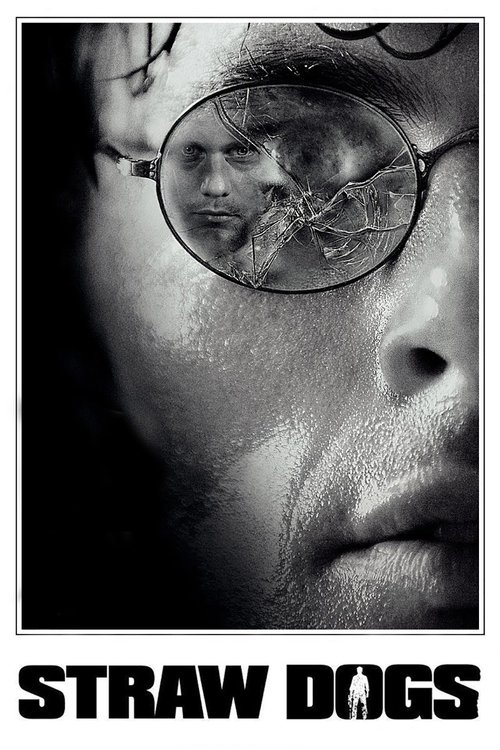
2011

2004

2010

1974
No reviews yet. Be the first to share your thoughts on this movie!
Use the rating form above to leave a star rating and optional review.