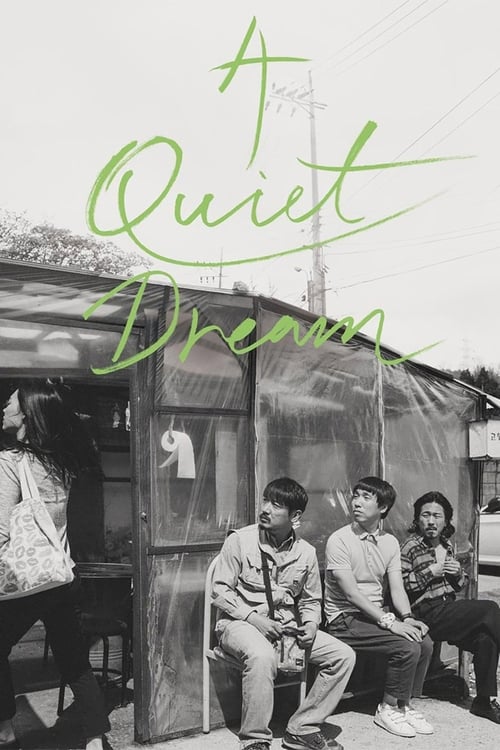
A Quiet Dream
2016
No user ratings available yet
Representation score: 6.8 out of 10
Representation Score
Fair
2015
Director
Lee Sang-woo
Runtime
102 minutes
Average Rating
No ratings yetNew Showbiz Analysis
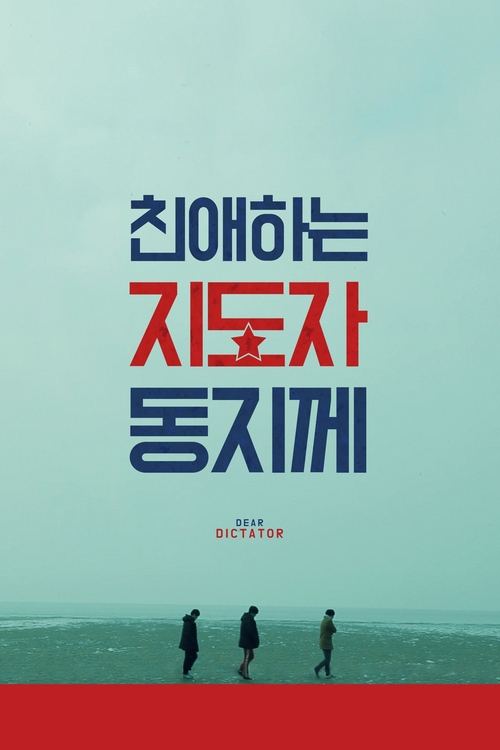
Dear Dictator is a social realist drama that excels in socio-economic critique rather than broad demographic representation. By focusing on dropouts living in a shanty town, the film challenges traditional notions of state authority and capitalist stability. The narrative uses the intrusion of a North Korean spy to explore the complexities of the Korean division. This approach allows for a deconstruction of nationalistic narratives through the lens of those living on the fringes of society. While the film lacks visible representation for many identity groups, it prioritizes the roles of underrepresented individuals. It functions as a study of institutional neglect and moral relativism within impoverished communities.
Category Breakdown
The film does not include any explicit LGBTQ+ characters or non-cisgender identities. The story focuses on the socio-economic struggles of the main characters.
The story features a mix of male and female characters including Youngrim, Bukseong, and Woosuck. Youngrim's role highlights her importance in the survival narrative, which is common in social realist cinema.
As a South Korean production, the cast is likely ethnically homogeneous. The plot emphasizes class-based identity and regional political tensions rather than Western-centric racial frameworks.
The film delves deeply into systemic critique by centering underrepresented lives in a shanty town. It explores the tension between North and South Korean political identities.
There is no mention of characters with visible or invisible disabilities within the narrative.
Present on Screen
Limited or Absent
Official Synopsis
Bukseong, Youngrim and Woosuck are dropouts living in a shanty town. One day, a spy from North Korea begins video-recording their hardscrabble lives. A complicated series of events happens between them.
2016

2016

2012

2013
2011
2020

2008

2011
No reviews yet. Be the first to share your thoughts on this movie!
Use the rating form above to leave a star rating and optional review.