
Purgatorio: A Journey Into the Heart of the Border
2013
No user ratings available yet
Representation score: 6.4 out of 10
Representation Score
Excellent
2006
Director
Francisco Garcia Ambriz, Marco Silva Martínez
Runtime
60 minutes
Average Rating
No ratings yetNew Showbiz Analysis
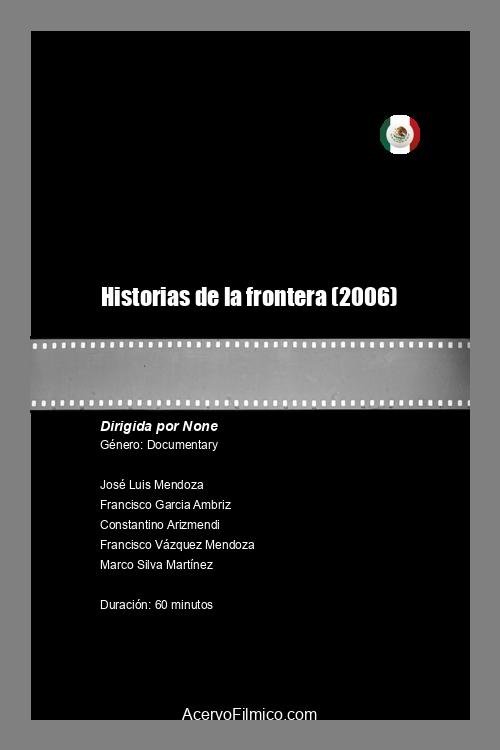
Historias de la frontera is a documentary that challenges centralized, homogeneous narratives by focusing on the border. This setting highlights complex intersections of race and nationality, moving away from dominant Western perspectives. While the film's thematic architecture suggests a high degree of ethnic and cultural diversity, there is no specific evidence regarding LGBTQ+ or disability representation. The narrative's strength lies in its structural predisposition to explore systemic realities and human movement rather than scripted clichés. Ultimately, the film serves as a platform for diverse experiences, even if specific character-level data on gender or identity remains unconfirmed.
Category Breakdown
The documentary does not provide specific evidence of LGBTQ+ narratives or non-assuming gender matches what was assigned at birth identities. It offers a neutral starting point for exploring these topics.
The film features a variety of voices, but without specific data on the gender of participants, the representation remains neutral.
Set at the border, the film centers on the experiences of underrepresented populations navigating systemic geographic and racial boundaries.
The work explores migration and socioeconomic struggles at the frontier, critiquing traditional Western structures and nationalist paradigms through a nuanced lens.
There is no documented evidence of individuals with visible or invisible disabilities being included in the film.
Present on Screen
Limited or Absent
2013

2015
2016

2005

2003

2018

2016

2023
No reviews yet. Be the first to share your thoughts on this movie!
Use the rating form above to leave a star rating and optional review.