Un posto sicuro
2015
No user ratings available yet
Representation score: 6.3 out of 10
Representation Score
Good
2024
Director
Marco Martani
Runtime
101 minutes
Average Rating
No ratings yetNew Showbiz Analysis
We Were Children is a character-driven drama that prioritizes psychological depth over genre clichés. By using an interrogation to frame a non-linear memory, the film explores the intersection of past trauma and present identity. The representation is moderate, leaning heavily on the emotional vulnerability of its characters rather than broad demographic variety. While it avoids traditional masculine stereotypes, it lacks explicit evidence of diverse racial or LGBTQ+ identities. Ultimately, the film functions as a critique of institutional stability, focusing on how systemic scrutiny affects the individual's moral standing.
Category Breakdown
The film does not explicitly confirm any LGBTQ+ identities or characters. However, it explores the emotional vulnerability of its protagonist, which offers potential for identity exploration.
Margherita’s presence in the core group of friends ensures a gender-integrated social circle. The narrative challenges stoic masculinity by centering on a male protagonist's emotional fragility and fear.
The small village setting suggests a potentially homogeneous demographic. There is no evidence of multi-ethnic casting or racial stereotyping, focusing instead on individual psychological complexity.
The story critiques institutional authority by framing the police as a source of tension. It examines how systemic pressure impacts individuals, moving away from idealized social orders.
No specific physical or neurodivergent disabilities are mentioned. However, the film touches upon mental health through the protagonist's high-stress psychological state and trauma.
Present on Screen
Limited or Absent
Official Synopsis
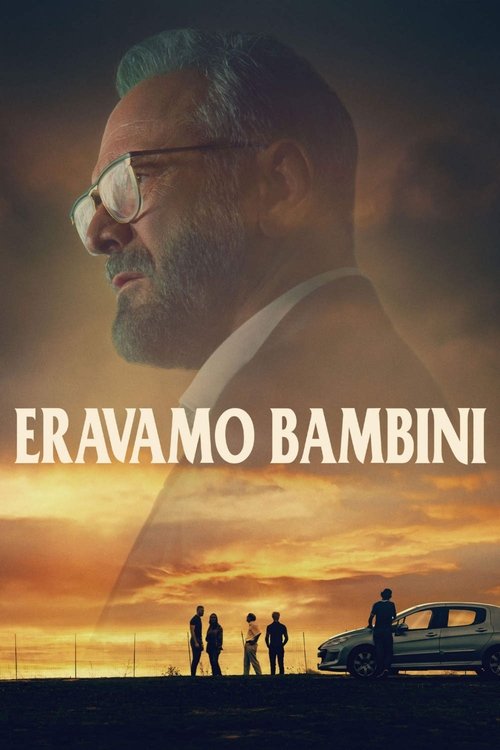
In a police station in a small village, a sergeant interrogates a young and frightened postman, known as "Cacasotto". He, normally known for being calm and good-hearted, was arrested for having threatened a policeman on patrol with a knife. Eventually, Cacasotto begins to speak with the cop. And he tells what happened twenty years earlier to him and to his five best friends: Gianluca, Walter, Peppino, Margherita and his little brother, Andrea.
2015
1998

2015
2000

1992
2020
1994

2021
No reviews yet. Be the first to share your thoughts on this movie!
Use the rating form above to leave a star rating and optional review.