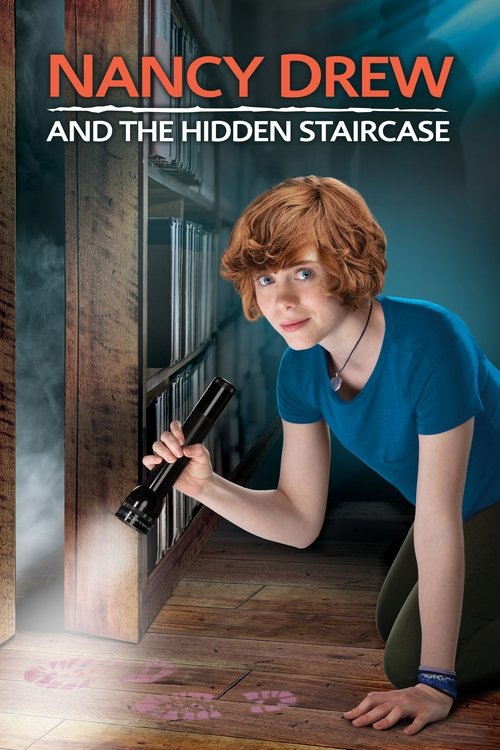
Nancy Drew and the Hidden Staircase
2019
No user ratings available yet
Representation score: 7.2 out of 10

Representation Score
Limited
2002
TV-GDirector
Maggie Greenwald
Runtime
83 minutes
Average Rating
No ratings yetNew Showbiz Analysis
Get a Clue is a traditional period mystery that prioritizes historical accuracy and genre clichés over the subversion of social hierarchies. While the film grants its female protagonist a significant role in driving the story, the world remains socially conservative. The narrative is built around a homogeneous demographic, lacking multi-layered depth or diverse casting. This results in a production that reflects the specific, limited social dynamics of the mid-century South rather than challenging them.
Category Breakdown
The film does not include any LGBTQ+ characters or narratives. It follows the traditional norms of its 1940s setting without exploring non-straight identities.
Klara provides a strong female lead with intellectual ability to act. However, the narrative remains somewhat tied to the social expectations of the mid-century era.
The production focuses on a homogeneous, white, middle-class Southern social structure. There is a notable absence of diverse casting or characters reflecting multiple aspects of diversity.
The film operates within a conventional framework of mid-century American life. It does not actively engage in deconstructing Western institutions or systemic structures.
There is no significant presence of characters with visible or invisible disabilities. Disability is not used as a central theme or tool for development.
Present on Screen
Limited or Absent
Official Synopsis
A wealthy student with too much fashion sense, her equally rich friends, and her rival/superior from the school paper work together to solve the case when their teacher goes missing.
2019
2009
2007
1988

2009

2017
2002
1982
No reviews yet. Be the first to share your thoughts on this movie!
Use the rating form above to leave a star rating and optional review.