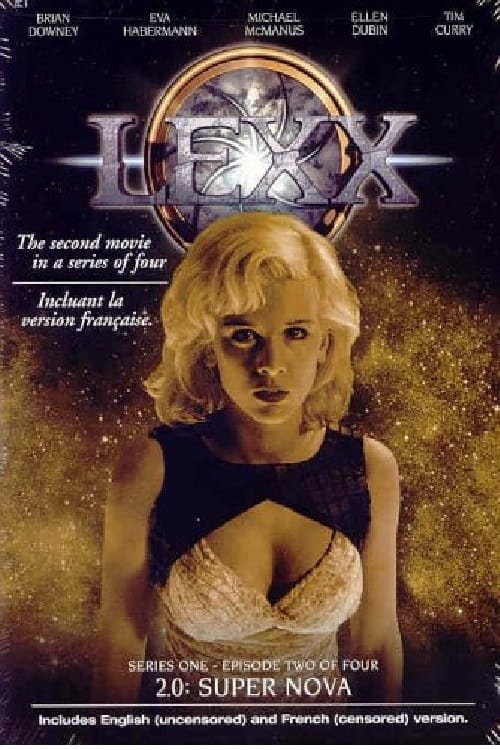
Super Nova
1997
No user ratings available yet
Representation score: 5.7 out of 10
Representation Score
Fair
1996
RDirector
Paul Donovan
Runtime
93 minutes
Average Rating
No ratings yetNew Showbiz Analysis
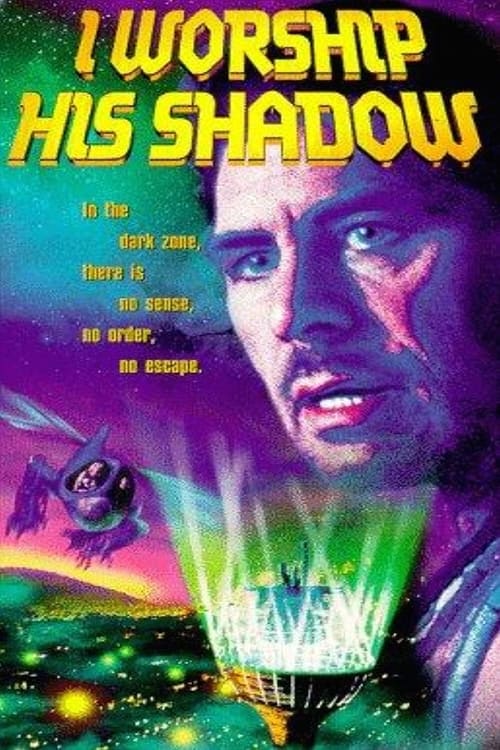
I Worship His Shadow serves as a critique of institutional power and religious dominance. By portraying a theocratic regime as the antagonist, the film focuses on the disruption of centralized authority and the struggles of those outside established social orders. The film's strength lies in its thematic exploration of systemic oppression. It uses the framework of fugitives and slaves to challenge traditional social and religious norms, emphasizing the perspective of the underrepresented over the stability of state institutions. However, the film lacks specific demographic information to confirm its impact on identity-based representation. While themes of autonomy and non-biological personhood are present, the actual portrayal of specific racial, ethnic, or LGBTQ+ identities remains uncertain.
Category Breakdown
The film touches on themes of bodily autonomy and unconventional relationships through the 'love slave' concept. However, it doesn't clearly identify specific LGBTQ+ identities or relationships that challenge traditional norms.
The narrative includes a 'love slave' character, highlighting those underrepresented by societal hierarchies. The conflict against a theocratic authority suggests a challenge to patriarchal leadership.
There are no specific details about the ethnicities of the actors. Science fiction often uses alien species as metaphors for diversity, but there's no evidence of this in the film.
The film criticizes theocracy and bureaucracy by presenting a religious authority as oppressive. This shifts away from traditional views of religious morality and emphasizes the experiences of the oppressed.
The character 'robot head 790' introduces a non-biological entity. These characters can serve as metaphors for neurodivergence or physical differences, offering a unique perspective on personhood.
Present on Screen
Limited or Absent
Official Synopsis
Fugitive security guard Stanley Tweedle, love slave Zev Bellringer, and love slave robot head 790 are thrown together by fate and on the run from His Divine Shadow after stealing The Lexx: the most powerful destructive force in two universes.
1997
1998

1986
2004

2000
1998
1989
1981
No reviews yet. Be the first to share your thoughts on this movie!
Use the rating form above to leave a star rating and optional review.