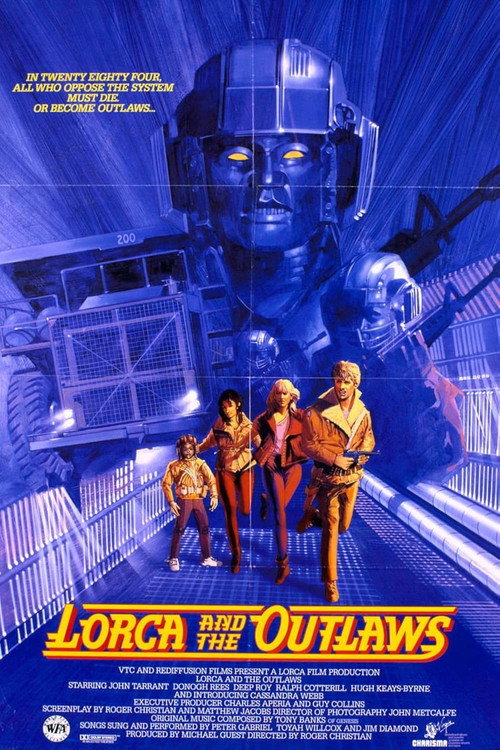
Lorca and the Outlaws
1984
No user ratings available yet
Diversity score: 4.4 out of 10
1986
Not RatedDirector
Tim Kincaid
Runtime
79 minutes
Average Rating
No ratings yetSynopsis
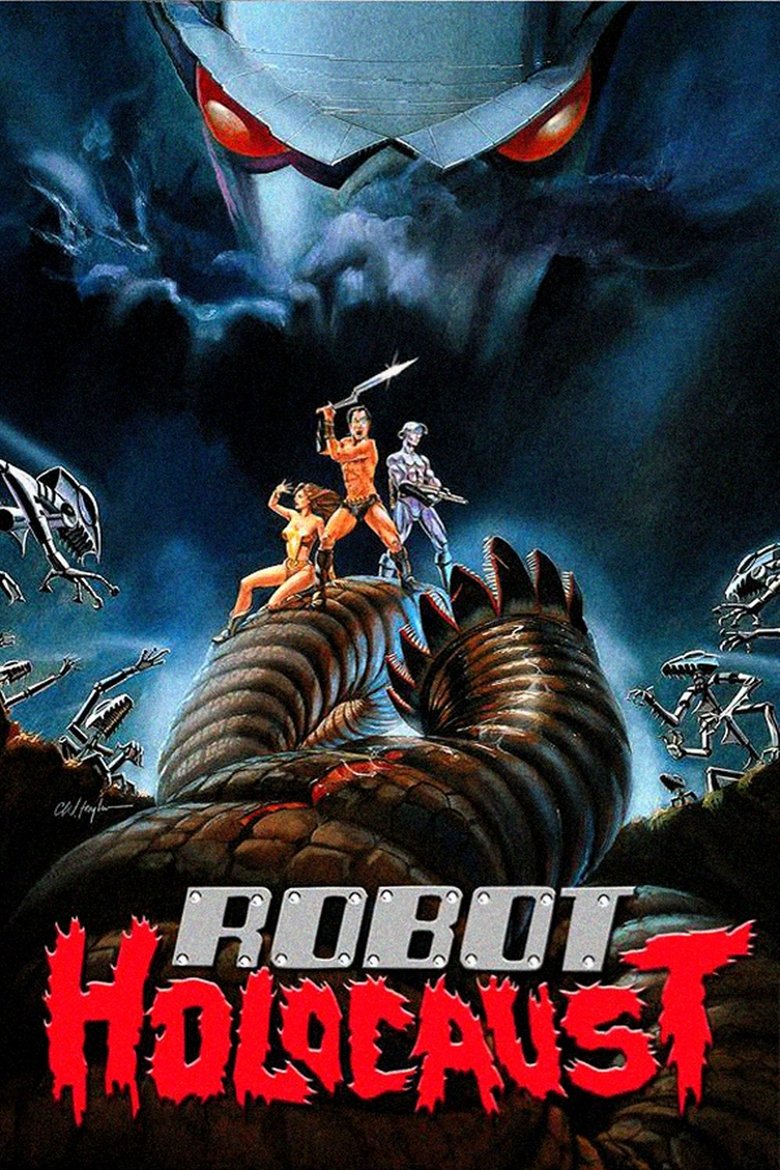
Neo, a drifter from the atomic-blasted wastelands, arrives with his klutzy robot sidekick at a factory where slaves labor to fuel the sinister Dark One's Power Station. There, he meets a comely woman who convinces him to help rescue her scientist father, who has invented a device that can break the Dark One's control over the slaves. Gathering a motley crew of allies on the way, Neo and pals travel to the Power Station, where they confront the Dark One's evil servants.
Overall Score
Fair
Category Breakdown
LGBTQ+ Representation
The film lacks explicit LGBTQ+ characters or queer romantic arcs. The story centers on a traditional male protagonist and a female ally, adhering to conventional genre tropes.
Gender Representation
A female character acts as the plot's primary catalyst, providing the intellectual agency needed to initiate the rescue. However, her description as 'comely' suggests some adherence to traditional aesthetic expectations.
Racial & Ethnic Diversity
The wasteland setting obscures traditional racial hierarchies through a focus on survival. While a 'motley crew' is mentioned, there is no specific evidence of intentional racial diversity.
Religious & Cultural Diversity
The narrative engages with anti-institutional themes by critiquing systemic oppression. It prioritizes the liberation of slaves over the maintenance of the Dark One's centralized power structures.
Disability Representation
A klutzy robot sidekick provides a depiction of non-human agency. It remains unclear if this character serves as a metaphor for neurodivergence or functions merely as a comedic device.
Strengths
Areas for Improvement
AI Analysis
Robot Holocaust operates within the standard frameworks of 1980s post-apocalyptic fiction. It leans on established genre tropes, particularly regarding gender and romantic dynamics, which limits its progressive impact. However, the film finds strength in its systemic critique. By framing the antagonist's power station as a site of industrial oppression, the story moves beyond simple heroics to challenge centralized authority. Ultimately, the film offers a moderate level of subversion. While it lacks deep intersectional complexity, it avoids purely passive character archetypes by giving the female lead significant narrative agency.
1984
1989
1987
1996
1996

2014

1997
1999
1996
2006
1966

1995
No reviews yet. Be the first to share your thoughts on this movie!
Use the rating form above to leave a star rating and optional review.