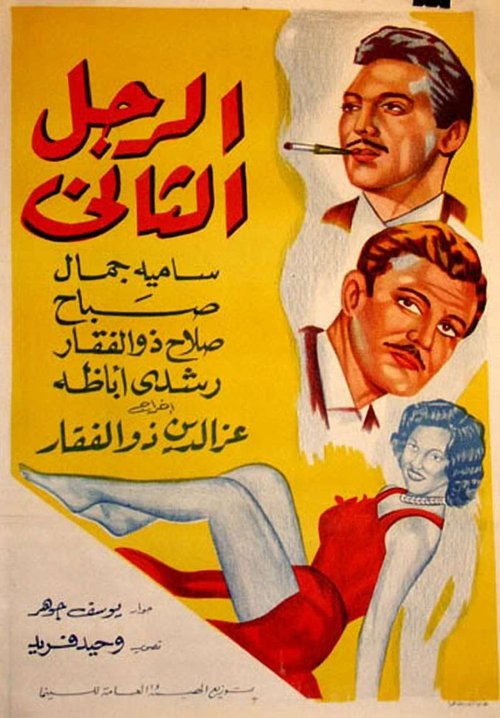
The Second Man
1959
No user ratings available yet
Representation score: 1.9 out of 10
Representation Score
Fair
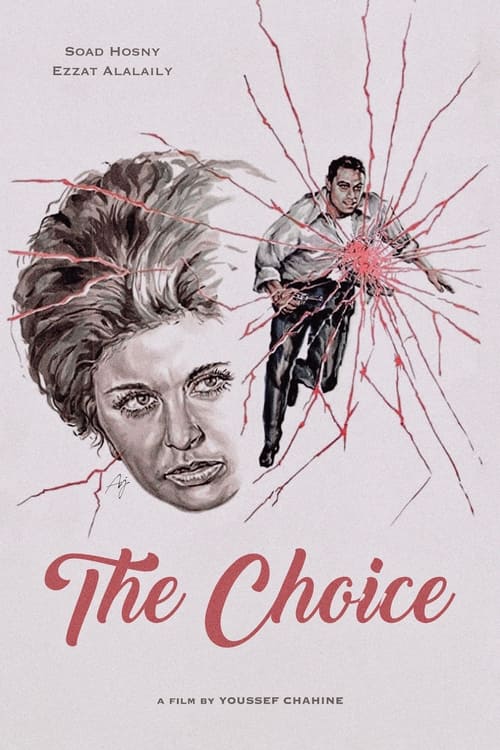
1971
Director
Youssef Chahine
Runtime
103 minutes
Average Rating
No ratings yetNew Showbiz Analysis
Youssef Chahine’s *The Choice* uses the thriller genre to explore identity and the tension between individual ability to act and societal structures. Its strength lies in asserting Egyptian ability to act and rejecting Western-centric cinematic standards. The film excels in its sophisticated examination of post-colonial identity and the fluidity of the human condition. By focusing on a local perspective, it provides a powerful counter-narrative to the 'universal' standards often imposed by Western cinema. However, the film remains constrained by the social norms of its time, particularly regarding explicit LGBTQ+ representation. While it challenges some gendered expectations, it does not actively critique the assumption that everyone is straight or cisgender through a queer lens.
Category Breakdown
The film does not explicitly include LGBTQ+ identities or non-cisgender expressions. Intimacy and potential relationships support the central mystery rather than exploring queer identity, sticking to the social norms of its era.
The female lead demonstrates a significant role in driving the story by challenging the passive observer cliché through her involvement in the conflict. The film examines the tension between personal desires and social obligations.
As a key piece of Egyptian cinema, the film offers an authentic, non-Western-centric viewpoint. It avoids Anglo-centric norms by focusing on an Egyptian cast and emphasizing local cultural identity.
Chahine addresses post-colonial tensions and the struggle of individuals against systemic structures. The narrative leans towards moral relativism instead of following a single, didactic morality.
There is no significant depiction of physical or neurodivergent disabilities within the narrative.
Present on Screen
Limited or Absent
Official Synopsis
When a free-spirited sailor is found murdered, his twin brother, a famous novelist, is the prime suspect. Investigators uncover a possible liaison between the dead sailor and the writer's wife, and also learn that Sayed's successful fictions owed much to the inspiration of his brother Mahmoud's adventurous life. Just as the evidence against the writer seems overwhelming, Mahmoud turns up alive. But why are the twins never seen together...?
1959
1946
1976
1960
1973
1973
1980

1958
No reviews yet. Be the first to share your thoughts on this movie!
Use the rating form above to leave a star rating and optional review.