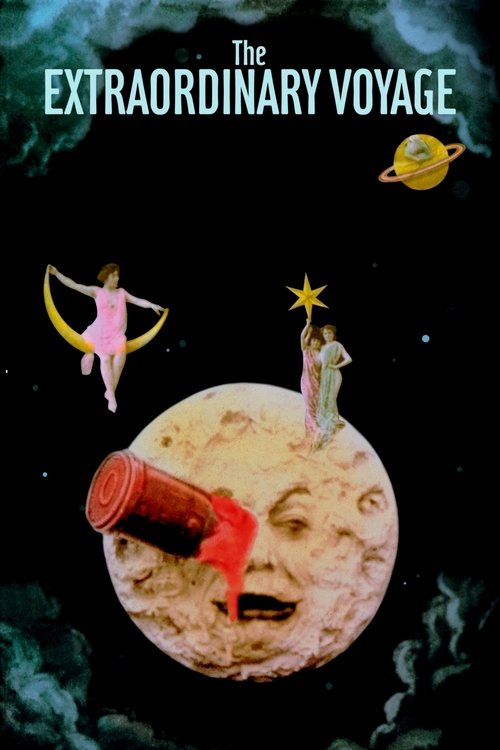
The Extraordinary Voyage
2011
No user ratings available yet
Representation score: 3.1 out of 10

Representation Score
Limited
2021
NRDirector
Eric Lange
Runtime
60 minutes
Average Rating
No ratings yetNew Showbiz Analysis
The Méliès Mystery serves as a technical and historical record of film preservation. Since it focuses on archival science rather than scripted drama, it lacks character-driven clichés or identity-based narratives. The film's strength lies in its internationalist perspective, showcasing a collaborative effort between French and American institutions to reclaim lost cinema. This approach emphasizes cultural heritage over commercialism. However, the documentary remains limited by its subject matter. The Eurocentric focus and the absence of diverse character arcs result in a profile that is stable and academic but lacks multi-layered depth.
Category Breakdown
The documentary does not feature explicit LGBTQ+ character stories or narratives. It maintains a neutral stance typical of technical historical films, avoiding both positive and negative portrayals.
The film centers on a Franco-American institutional collaboration. Although the restoration field is traditionally male-dominated, the narrative highlights professional expertise through the work of Lobster Films and the Library of Congress.
The subject matter is rooted in a Eurocentric historical context regarding early 20th-century French cinema. However, the film highlights transnational cooperation between French and American institutions.
The film prioritizes cultural heritage over commercial interests by focusing on non-profit, institutional efforts to reclaim art. This internationalist approach offers a subtle critique of isolationist cultural perspectives.
There is no evidence regarding the depiction of individuals with physical or neurodivergent disabilities within this historical documentary.
Present on Screen
Limited or Absent
Official Synopsis
A documentary that details the process of restoring 270 of the 520 lost films of pioneering director Georges Méliès, all orchestrated by a Franco-American collaboration between Lobster Films, the National Film Center, and the Library of Congress.
2011

2016
1997
2010
2019

2022

2018
2022
No reviews yet. Be the first to share your thoughts on this movie!
Use the rating form above to leave a star rating and optional review.