
The Four
2012
No user ratings available yet
Representation score: 4.1 out of 10
Representation Score
Limited
2014
RDirector
Gordon Chan, Janet Chun Siu-Chun
Runtime
107 minutes
Average Rating
No ratings yetNew Showbiz Analysis
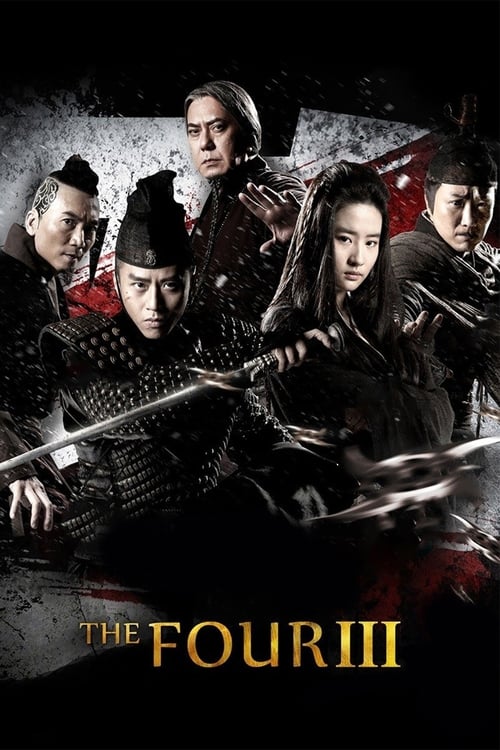
The Four 3 is a high-fantasy martial arts epic that prioritizes traditional genre clichés and the hero's journey. The narrative architecture focuses on institutional loyalty and the struggle for absolute power. While the film maintains a strong, culturally specific identity within the Wuxia genre, it adheres to conventional social hierarchies. The focus remains on masculine martial strength and the preservation of established state authority. Ultimately, the film functions as a spectacle-driven piece that reinforces traditionalist views of duty and order rather than exploring diverse social perspectives.
Category Breakdown
The film focuses on martial prowess and tactical maneuvers. There is no evidence of LGBTQ+ identities or narratives that question traditional sexual norms.
The story centers on male protagonists and a male antagonist. The hierarchy is driven by masculine strength and military leadership, reinforcing traditional power structures.
The cast and setting are ethnically homogeneous, reflecting its roots in Chinese martial arts cinema. It maintains a consistent cultural identity rather than blending racial identities.
The plot emphasizes protecting the Emperor and the Divine Constabulary. This values established institutional authority and the restoration of traditional order and state stability.
The narrative does not mention characters navigating physical, sensory, or neurodivergent experiences.
Present on Screen
Limited or Absent
Official Synopsis
The reputation of the Four constables survives, but since Emotionless’s departure, there have been changes at the Divine Constabulary. The four Coldblood, Iron Hands, Life Snatcher, rescue Zhuge Zhengwo from An Yunshan’s mountain fortress, then with the Emperor and Di armies, they attack. But An Yunshan absorbs their power, which means the constables and their allies now face their most lethal opponent yet, a nearly invincible kung fu master who won’t stop until he has absolute power...
2012
2013
2013
2014
No reviews yet. Be the first to share your thoughts on this movie!
Use the rating form above to leave a star rating and optional review.