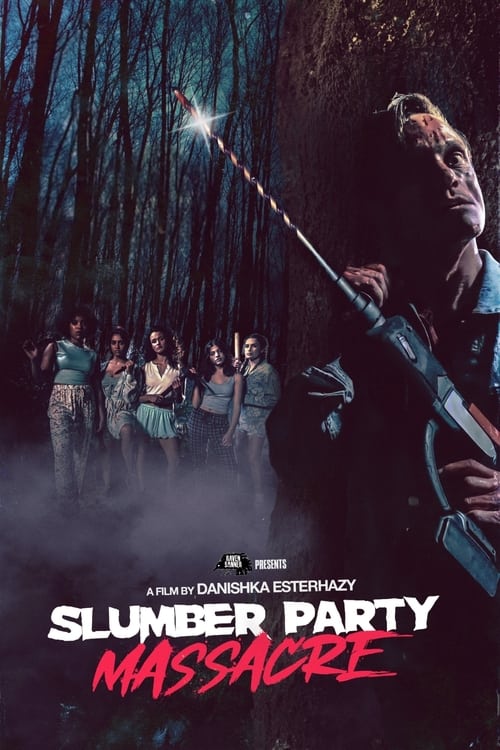
Slumber Party Massacre
2021
No user ratings available yet
Representation score: 7.7 out of 10
Representation Score
Limited
2020
RDirector
Dennis Devine
Runtime
82 minutes
Average Rating
No ratings yetNew Showbiz Analysis
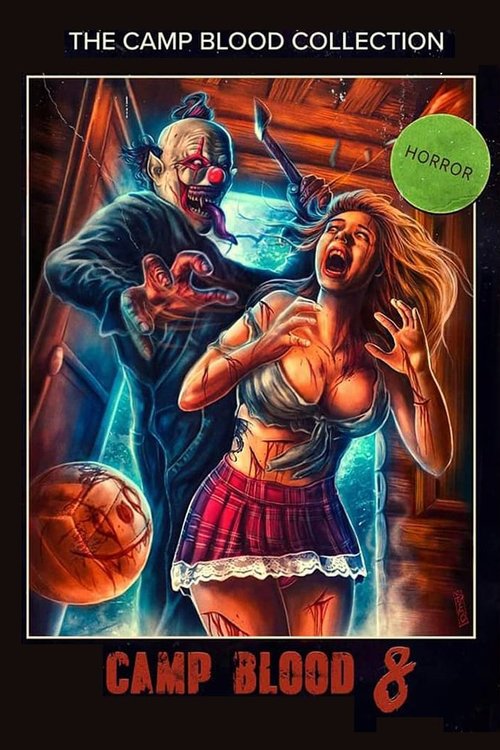
Camp Blood 8: Revelations primarily operates within the established slasher subgenre. While it offers a moderate level of gendered ability to act by centering female leadership, it lacks broader multi-layered depth. The film relies on traditional horror clichés and character-driven suspense, avoiding the deconstruction of social hierarchies or identity politics. Ultimately, it functions as a standard horror-comedy, offering some subversion of the passive female victim cliché but failing to provide significant representation across other identity categories.
Category Breakdown
The film does not include any explicit mentions of LGBTQ+ characters or non-cisgender identities. The storyline revolves around female athletes in a traditional slasher setup without addressing queer identity.
women's ability to drive the story is central to the plot, especially through Dolly, the volleyball coach. Women play key roles in driving the survival strategies, moving away from traditional male-dominated horror narratives.
The racial and ethnic makeup of the cast is not specified. The focus remains on family roles and occupations, suggesting a possible adherence to conventional casting practices.
The story explores moral ambiguity through Dolly's potential involvement in the murders. However, it stays rooted in horror clichés rather than critiquing specific cultural institutions.
There is no indication of characters with physical, sensory, or neurodivergent disabilities. The narrative does not include representation in this category.
Present on Screen
Limited or Absent
Official Synopsis
The Killing at Camp Blood stopped for a while. But the son of the original killer clown has carried on the machete and driven by his deranged mother, played by Sally Mullins (Things 4, Lights Out With David Spade), continues to kill anyone who trespasses in his woods. When a group of female volleyball players' vehicle breaks down in the woods, they are all potential victims of the killer clown. Their leader and coach Dolly, played by Phoebe Dollar (Hell's Highway, Sunset Society), devices a plan that is meant to help them escape, but could possible get them all killed. Is she in on the murders" Does she have a dark secret herself? All will be revealed.
2021
1986
2014
1995

2018
2021
2025
2017
No reviews yet. Be the first to share your thoughts on this movie!
Use the rating form above to leave a star rating and optional review.