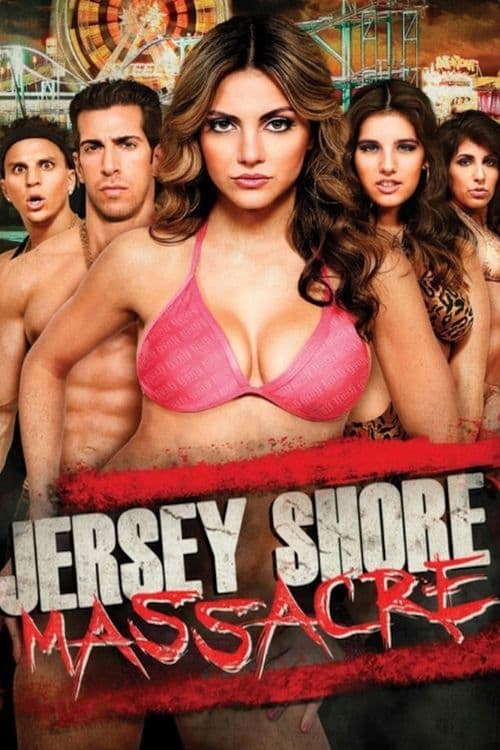
Jersey Shore Massacre
2014
No user ratings available yet
Representation score: 2.5 out of 10
Representation Score
Limited
2012
RDirector
Michael Hoffman Jr., Aaron T. Wells
Runtime
104 minutes
Average Rating
No ratings yetNew Showbiz Analysis
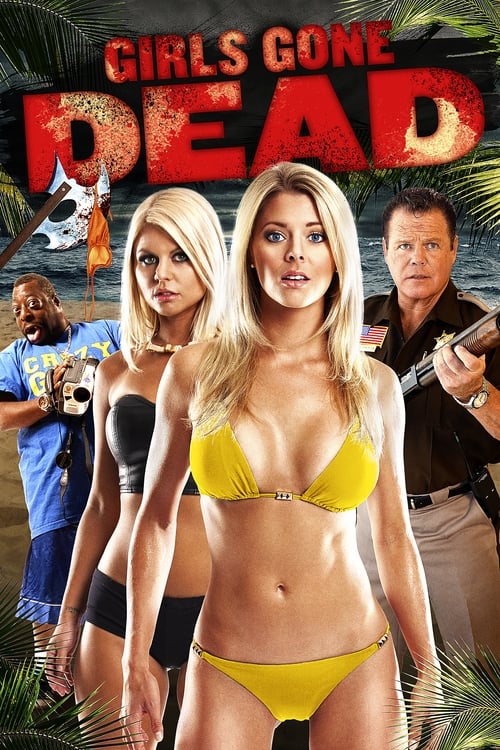
Girls Gone Dead operates as a conventional horror-comedy that closely follows established genre formulas. While the main cast is female, the slasher premise often limits their roles to the mechanics of the horror plot rather than deep character development or challenging gender roles. The film lacks intentional representation that reflects multiple aspects of identity, such as LGBTQ+ visibility or racial diversity. The setting and themes stay within traditional Western collegiate social patterns. Overall, the production adheres to a standard mid-budget format, providing a predictable experience that does not aim to disrupt existing social hierarchies.
Category Breakdown
The film does not include explicit LGBTQ+ characters or stories that question the assumption that everyone is straight or cisgender. It follows traditional horror-comedy clichés that prioritize standard social structures.
The cast is predominantly female, but the slasher plot often confines female characters to the mechanics of the horror storyline. There is little indication of challenging traditional gender roles.
The specific racial backgrounds of the six main characters are not specified. The film seems to use typical casting practices for mid-budget horror comedies from this period.
Set during a typical Western spring break, the film uses a conventional college setting. It does not appear to challenge traditional cultural or institutional norms.
The film does not mention any characters with visible or invisible disabilities.
Present on Screen
Limited or Absent
Official Synopsis
A group of six ex-high school cheerleaders are stalked by a killer with a medieval war hammer and battle axe during their first Spring Break from college.
2014
2014

1988
2009

2019
2009
2005
2015
No reviews yet. Be the first to share your thoughts on this movie!
Use the rating form above to leave a star rating and optional review.