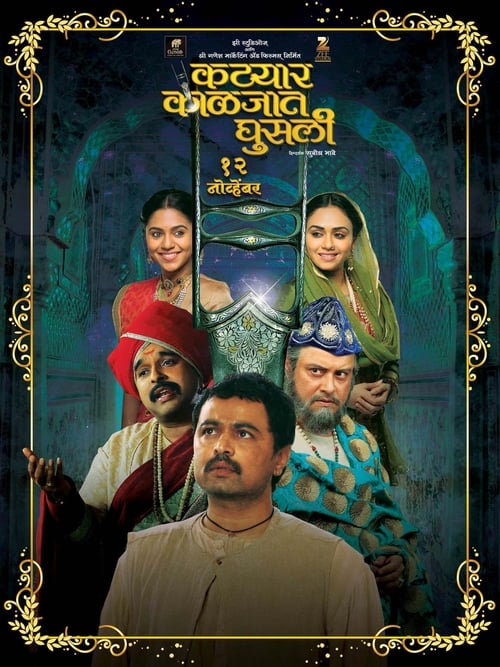
Katyar Kaljat Ghusali
2015
No user ratings available yet
Diversity score: 5.9 out of 10

2014
TV-PGDirector
Srijit Mukherji
Runtime
150 minutes
Average Rating
No ratings yetSynopsis
Rohit, a Gujarati, studies the life of Anthony Firengee, and in the process meets with a mysterious man Kushawl Hajra.
Overall Score
Good
Category Breakdown
LGBTQ+ Representation
The film lacks non-cisnormative gender identities or same-sex intimacy. The narrative focuses on macro-political struggles, leaving no room for queer-coded subtext or explicit character arcs.
Gender Representation
Female characters occupy space within the 1940s social landscape but largely function within traditional roles. The story prioritizes male-driven political agency despite women's presence in the independence movement.
Racial & Ethnic Diversity
The film excels by centering the South Asian experience during the British Raj. It disrupts Western-centric historical tropes by portraying colonized subjects as the primary drivers of their own destiny.
Religious & Cultural Diversity
The narrative offers a profound critique of Western imperial institutions and colonial law. It celebrates anti-colonial defiance and challenges the perceived superiority of Western administration and capitalist structures.
Disability Representation
There is no evidence of disability, neurodivergence, or chronic illness playing a central role in the character arcs or plot progression.
Strengths
Areas for Improvement
AI Analysis
Jaatishwar is a sophisticated historical drama that succeeds by shifting the narrative lens away from the colonizer. It provides a powerful deconstruction of Western imperial authority, centering South Asian agency during a pivotal era of resistance. However, the film remains tethered to the social constraints of its 1940s setting. This results in a lack of LGBTQ+ representation and a gender dynamic that reinforces traditional patriarchal hierarchies rather than disrupting them. Ultimately, the film's progressive value lies in its post-colonial depth. It trades modern social inclusivity for a rigorous critique of systemic imperial oppression and the reclamation of indigenous identity.
2015
1948

2016

2020
2018
2011
1949

2017

2017
2014
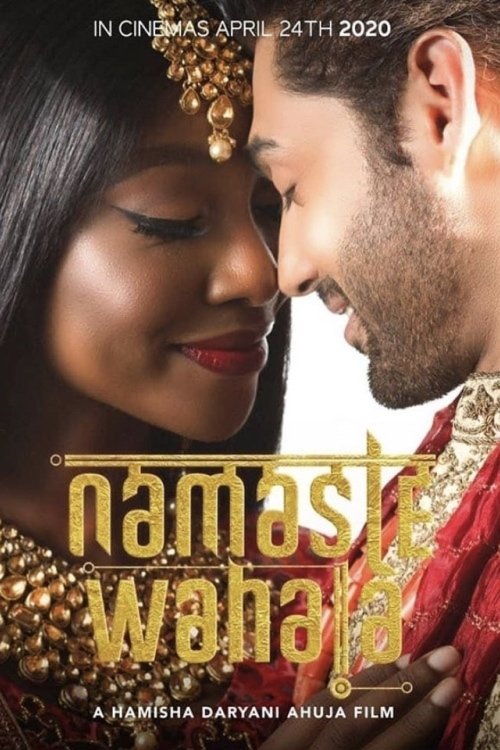
2020

2015
No reviews yet. Be the first to share your thoughts on this movie!
Use the rating form above to leave a star rating and optional review.