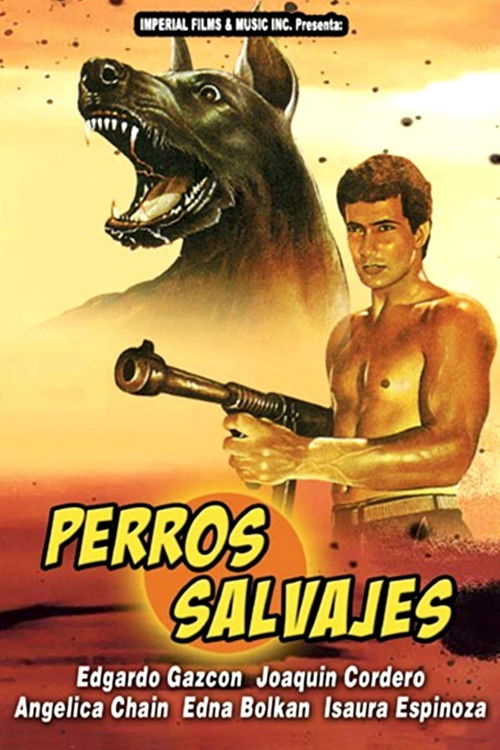
Wild Dogs
1984
No user ratings available yet
Representation score: 0.6 out of 10
Representation Score
Minimal
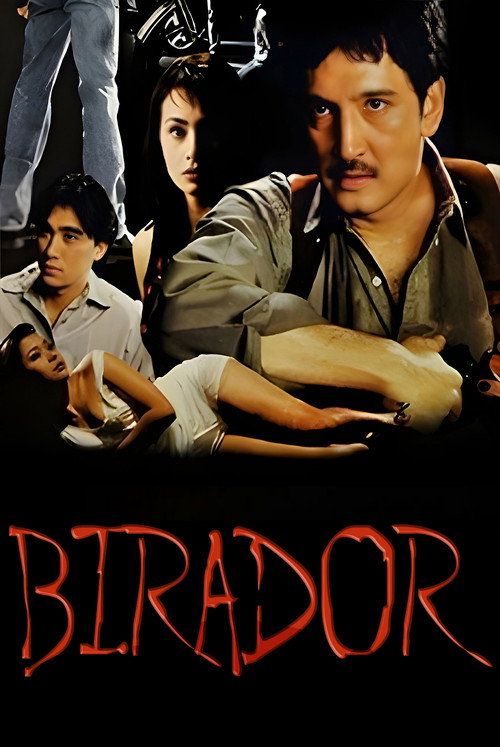
1998
Director
Edgardo Vinarao
Runtime
90 minutes
Average Rating
No ratings yetNew Showbiz Analysis
Birador functions as a character study centered on a flawed, aggressive male protagonist. The narrative structure emphasizes individual moral struggles and traditional action-drama clichés over exploring diverse social identities. The film adheres to late-1990s cinematic structures, focusing on a singular male figure's volatility. This focus limits the scope for diverse representation and challenging established social hierarchies. Ultimately, the work prioritizes individualistic conflict and conventional power dynamics, offering limited perspectives on broader social issues.
Category Breakdown
The film focuses on a traditional heterosexual relationship between Mike and Gina. There is no representation of LGBTQ+ identities or critiques of heterosexuality.
The story depicts a traditional gender hierarchy where Mike is aggressive and Gina is portrayed as a passive recipient of mistreatment without much control over her own actions.
As a Philippine production, the film centers on non-Western identities. However, specific details about ethnic composition or casting choices are not provided.
The narrative explores typical action-genre themes like law enforcement and morality. It does not provide an explicit critique of institutions or traditional family structures.
There is no mention of characters with physical or neurodivergent disabilities in the narrative documentation.
Present on Screen
Limited or Absent
Official Synopsis
Mike Santana, a police officer, ruthlessly kills individuals and mistreats his wife, Gina. While attempting to expose and eliminate the actual perpetrators, he faces the imminent danger of losing his own life.
1984

2012
1987
2021
1999
1978

1979

1987
No reviews yet. Be the first to share your thoughts on this movie!
Use the rating form above to leave a star rating and optional review.