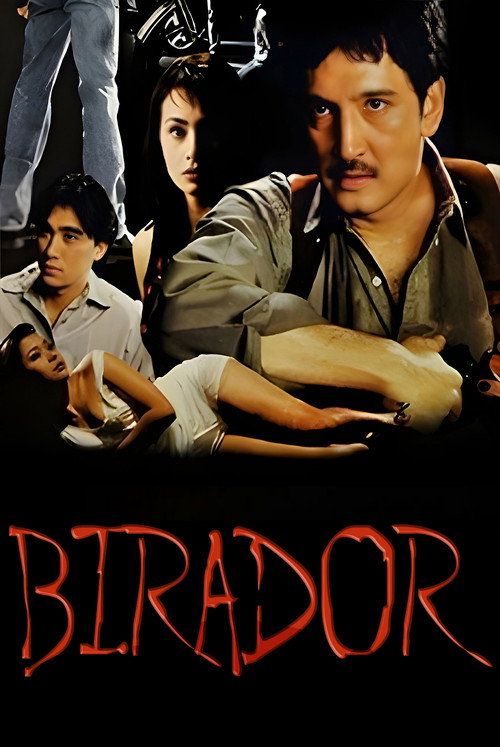
Birador
1998
No user ratings available yet
Representation score: 1.1 out of 10

Representation Score
Fair
2012
Not RatedDirector
Alberto Rodríguez
Runtime
95 minutes
Average Rating
No ratings yetNew Showbiz Analysis
Unit 7 is a gritty deconstruction of law enforcement that prioritizes institutional critique over demographic breadth. While it succeeds in challenging the archetype of the heroic officer, it does so through a narrow lens of traditional masculinity and the assumption that everyone is straight or cisgender. The film's strength lies in its sophisticated portrayal of systemic decay. By replacing moral absolutism with situational ethics, it offers a compelling look at how power structures become compromised. However, this thematic depth does not translate into social inclusivity. Ultimately, the work is a study of corruption and masculine camaraderie. It lacks meaningful engagement with LGBTQ+ identities, gender diversity, or disability, resulting in a narrative that is culturally insightful regarding authority but demographically limited.
Category Breakdown
The film adheres to the assumption that everyone is straight or cisgender, with no representation of LGBTQ+ identities or narratives that challenge traditional norms.
The story focuses heavily on masculine hierarchies and physical dominance, offering very little in the way of women's ability to drive the story or challenge familiar patterns.
The narrative centers on socioeconomic friction within a Spanish urban setting, lacking a deliberate effort toward diverse representation or non-Anglo-Saxon backgrounds.
The film provides a sharp critique of Western institutional integrity, effectively deconstructing the sanctity of state authority by portraying law enforcement as morally relativistic.
Characters with visible or invisible disabilities are not portrayed with real power or control over their situations. The narrative avoids engaging with disability as a thematic element.
Present on Screen
Limited or Absent
Official Synopsis
Angel, a young intelligent and kind, aims to be a police inspector. Rafael instead is an expeditious, forceful and arrogant policeman. Meanwhile, Miguel and Mateo are part of Group 7, a group of rogue cops ready to do anything to achieve their goals.
1998
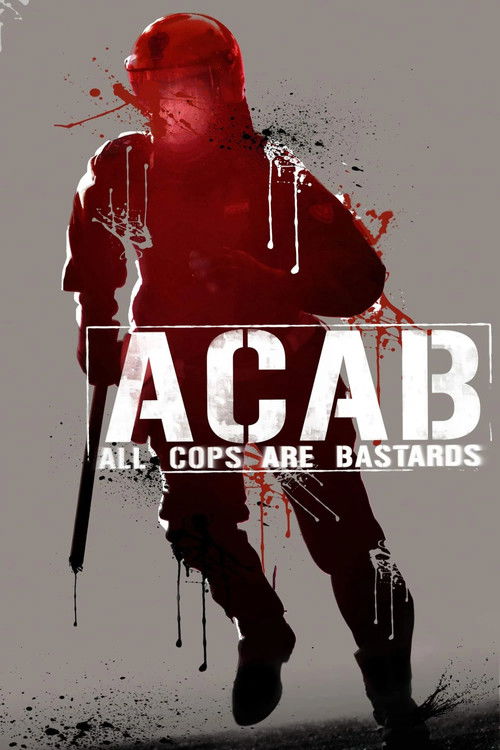
2012
2016

2011

2017
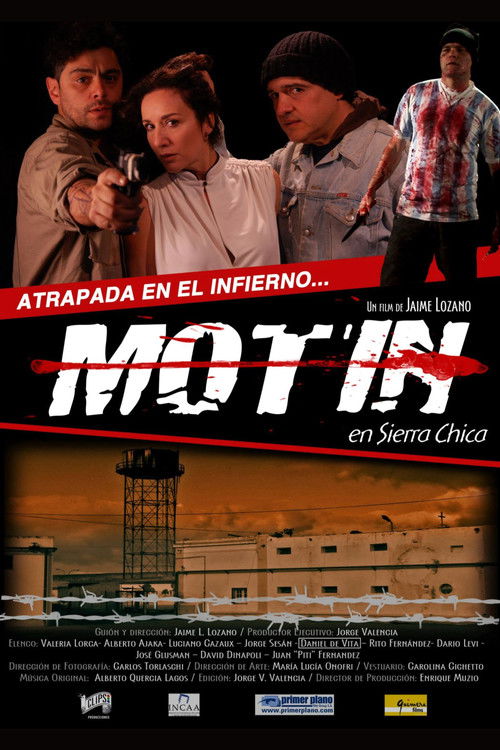
2014
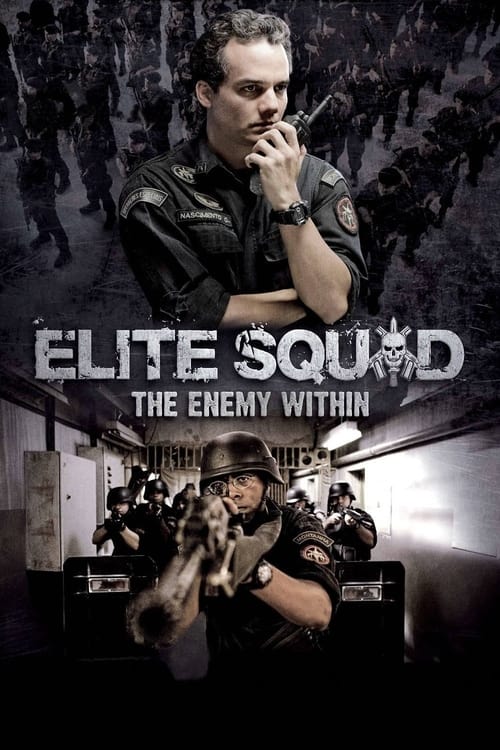
2010
2007
No reviews yet. Be the first to share your thoughts on this movie!
Use the rating form above to leave a star rating and optional review.