Michelangelo Endless
2018
No user ratings available yet
Representation score: 4.1 out of 10
Representation Score
Fair
2010
Director
Andrew Hutton
Runtime
80 minutes
Average Rating
No ratings yetNew Showbiz Analysis
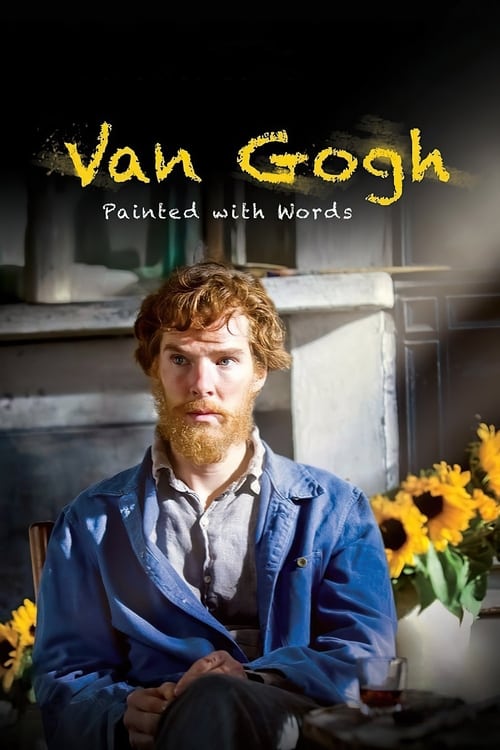
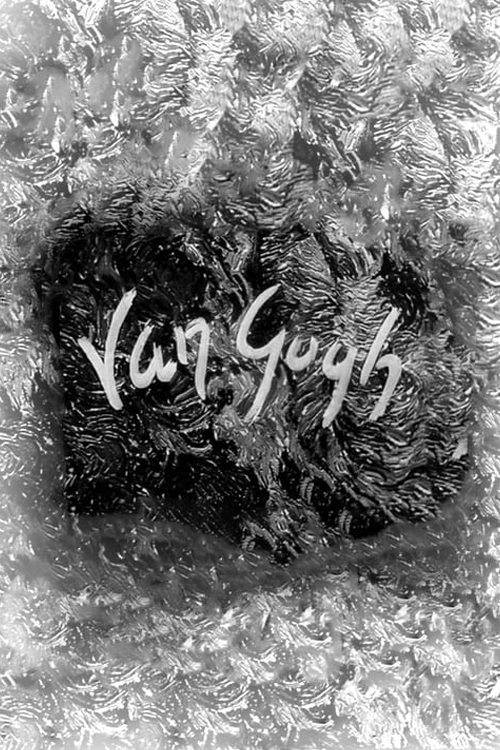
Van Gogh: Painted with Words is a specialized biographical study that prioritizes psychological depth over broad demographic representation. It uses an epistolary format to explore the inner life of the artist, moving away from conventional linear biography. The film stands out by focusing on neurodivergence as a core aspect of the protagonist's identity rather than a mere plot device. Through stylistic choices like animation, it offers a sophisticated look at social isolation and the sensory realities of mental health. However, the film's historical setting limits its scope. It lacks diverse representation and maintains a predominantly male-centric viewpoint, reflecting the social norms of the 19th century.
Category Breakdown
The film highlights the strong bond between Vincent and Theo but does not explicitly address LGBTQ+ themes or non-conforming gender identities.
The narrative emphasizes the male experience and brotherly conflicts. Women such as Sien Hoornik appear, but they often serve within Vincent's personal context rather than having independent roles.
The film reflects 19th-century Europe with a homogeneous population. It stays true to historical accuracy without attempts at diverse casting or intentional racial mixing.
The film critiques rigid Western societal structures by portraying Van Gogh as an outsider. It shows his struggle against a society that considers his neurodivergence as madness.
The film excels in depicting mental health issues in a nuanced manner. It uses animation to give viewers insight into the protagonist's sensory experiences.
Present on Screen
Limited or Absent
Official Synopsis
A drama-documentary presented by Alan Yentob, with Benedict Cumberbatch in the lead role. Every word spoken by the actors in this film is sourced from the letters that Van Gogh sent to his younger brother Theo, and of those around him. What emerges is a complex portrait of a sophisticated, civilised and yet tormented man.
2018
2009
1973
2011
1965
1948
1962
2014
No reviews yet. Be the first to share your thoughts on this movie!
Use the rating form above to leave a star rating and optional review.