The Perfect Wave
2014
No user ratings available yet
Representation score: 3.2 out of 10
Representation Score
Fair
2003
Director
Nathan Kurosawa
Runtime
90 minutes
Average Rating
No ratings yetNew Showbiz Analysis
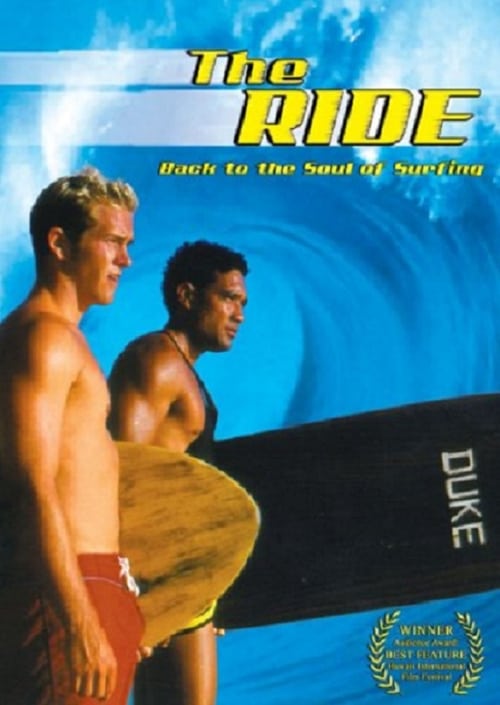
The film uses a time-travel framework to create a cross-cultural dialogue between a modern surfer and a historical Hawaiian figure. Its primary strength lies in the decentering of the Western protagonist, allowing indigenous cultural values to shape the story. While the film excels in ethnic and cultural representation, it falls short in gender and LGBTQ+ diversity. The narrative is heavily male-centric, focusing on the spiritual growth of two men rather than a broader social spectrum. Ultimately, the work succeeds as a speculative historical drama that challenges modern ego through the lens of traditional Hawaiian culture.
Category Breakdown
The film does not include any queer narratives or non-straight identities. The story focuses solely on the relationship between the two male leads.
The story centers on male protagonists, emphasizing the development of masculinity. It lacks visible roles for women and does not challenge patriarchal structures.
The narrative centers on Duke Kahanamoku, a person of color, who is given historical ability to act and mentorship. This breaks away from typical Western-centric sports stories.
The film highlights indigenous wisdom over modern commercialism. It uses a historical Hawaiian setting to critique modern individualism and Western approaches to sports.
There is no mention of neurodivergence, physical disabilities, or mental health conditions within the narrative.
Present on Screen
Limited or Absent
Official Synopsis
When cocky, young surfing champion David Monroe wipes out on a big wave, he slips back in time to 1911 Hawaii. Washing up on Waikiki beach, he discovers the true spirit of surfing when he is befriended by a young Hawaiian beachboy not yet known to the world - the future Olympic and surfing legend Duke Kahanamoku.
2014

1966

2013
2013
2010
1978

2018
1999
No reviews yet. Be the first to share your thoughts on this movie!
Use the rating form above to leave a star rating and optional review.