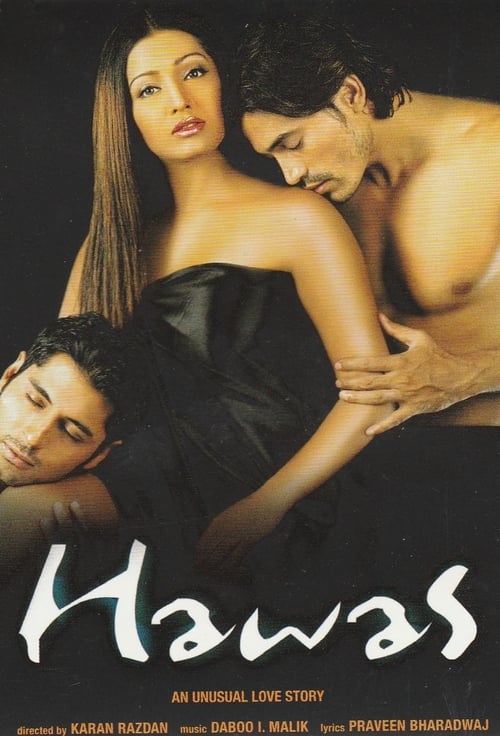
Hawas
2004
No user ratings available yet
Representation score: 2.8 out of 10
Representation Score
Good
2005
Director
Leena Yadav
Runtime
140 minutes
Average Rating
No ratings yetNew Showbiz Analysis
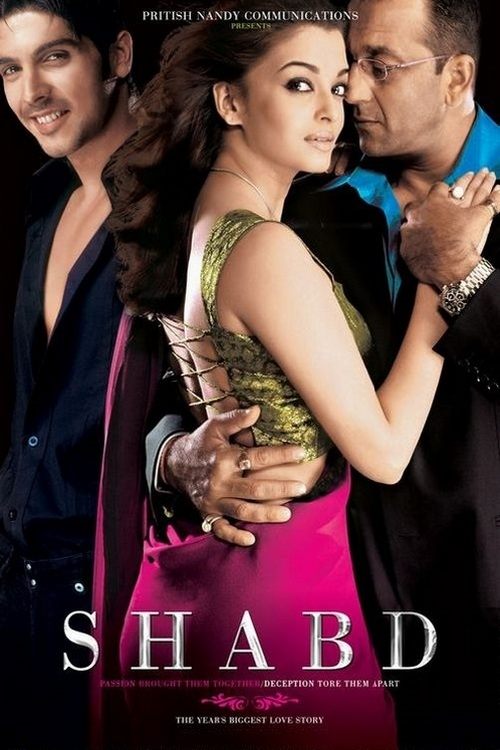
Shabd is a psychological drama that prioritizes the internal landscapes of its female protagonist over traditional domestic stability. By centering the plot on a woman navigating an unconventional marital arrangement, the film successfully disrupts conventional gender hierarchies. The narrative's strength lies in its willingness to question the sanctity of marriage and social contracts. It uses infidelity as a tool for artistic and psychological exploration rather than mere scandal. However, the film remains limited by its homogeneous casting and a lack of explicit LGBTQ+ representation. While it challenges traditional assumptions, it does not expand into non-cisgender identities.
Category Breakdown
The film focuses on a heterosexual marriage and explores infidelity rather than explicitly representing LGBTQ+ identities. It challenges traditional monogamous norms but does not depict non-cisgender genders.
The narrative centers on the female character's role, positioning her as the primary driver of the story's momentum. It overturns patriarchal expectations by showing the husband's emotional dependence on his wife.
The cast is ethnically uniform, reflecting its specific Indian cinematic context. The music score represents a standard depiction of its regional origin without broader racial diversity.
The film critiques the rigidity of traditional social institutions and the nuclear family. It replaces the 'ideal' family model with a complex exploration of desire and subjective morality.
There are no prominent depictions of physical or neurodivergent disabilities in the narrative.
Present on Screen
Limited or Absent
Official Synopsis
Shaukat, a writer suffering from writer's block, prompts his wife to have an affair with a stranger as he seeks inspiration to write a new story. Will his wife help him write his dream novel?
2004
2006

2020

2018
2007
2010
2012

2016
No reviews yet. Be the first to share your thoughts on this movie!
Use the rating form above to leave a star rating and optional review.