
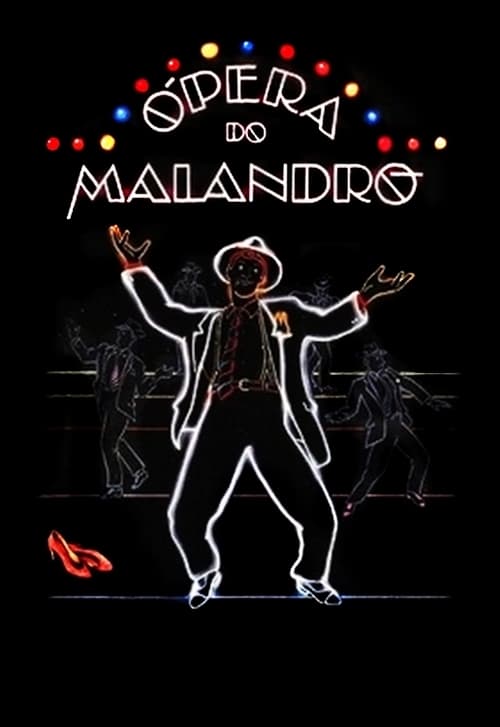
Pobre mi madre querida
1948
No user ratings available yet
Representation score: 2.3 out of 10
Representation Score
Good
1986
Director
Ruy Guerra
Runtime
105 minutes
Average Rating
No ratings yetNew Showbiz Analysis
Ruy Guerra’s work functions as a sophisticated critique of social stratification, utilizing the Lapa district to interrogate systemic power. The film succeeds by centering underrepresented figures and subverting traditional hierarchies through allegorical storytelling. The strength of the piece lies in its refusal to adhere to singular moralities. Instead, it celebrates the ability to act of those operating on the fringes of established social and legal institutions. While the film offers rich cultural and racial depth, it lacks specific representation for LGBTQ+ identities and disabilities. This creates a profile of high social rebellion but limited visibility for specific underrepresented groups.
Category Breakdown
The film explores the bohemian underworld of Lapa, suggesting a fluid approach to sexuality common in 1940s Rio. However, it lacks explicit narratives focused on LGBTQ+ identities or clear on-screen evidence of diverse gender identities.
Ludmila challenges traditional gender roles by acting as a proactive agent driven by economic ambition. Her character further disrupts the status quo by questioning traditional masculine leadership.
By centering the Afro-Brazilian malandro archetype, the film elevates non-Anglo-Saxon social structures. The Lapa setting emphasizes a multi-ethnic reality over white, upper-class norms.
The narrative celebrates non-conformist lifestyles and moral relativism as social rebellion. It critiques traditional Western-aligned institutions by framing survivalist swindling as a necessary response to systemic corruption.
There is no evidence regarding the portrayal of physical or neurodivergent disabilities within the narrative.
Present on Screen
Limited or Absent
Official Synopsis
In Rio de Janeiro's bohemian district called Lapa, during the '40s, a stylish and popular scoundrel exploits a cabaret singer, and earns his living by means of petty swindles. But then he meets Ludmila, the cabaret owner's daughter, who wants to get rich smuggling goods in times of war.
1948

2007
1983

2005

1971

2007

1975

1984
No reviews yet. Be the first to share your thoughts on this movie!
Use the rating form above to leave a star rating and optional review.