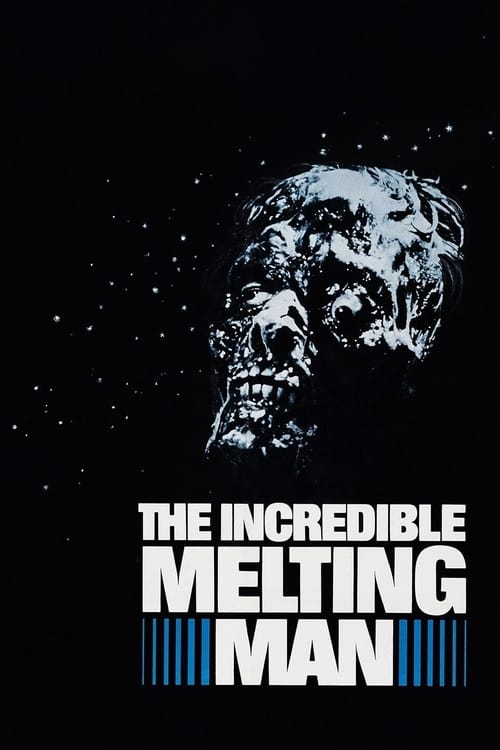
The Incredible Melting Man
1977
No user ratings available yet
Representation score: 2.3 out of 10
Representation Score
Minimal
1979
Director
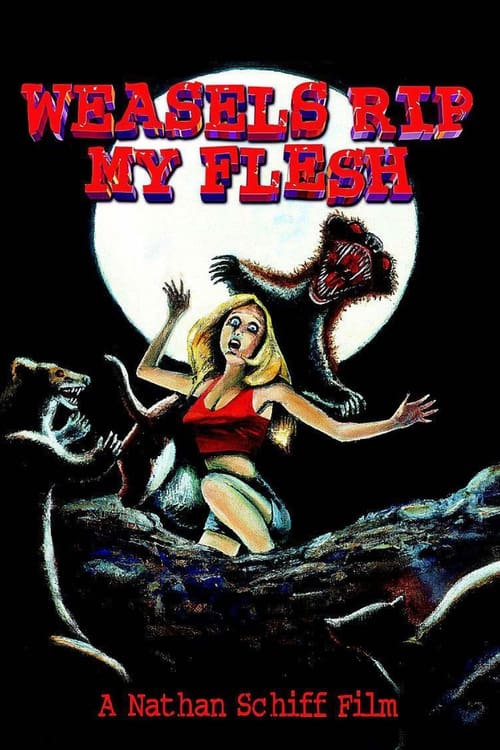
Nathan Schiff
Runtime
67 minutes
Average Rating
No ratings yetNew Showbiz Analysis
Weasels Rip My Flesh is a conventional 1970s creature feature that prioritizes genre clichés over social or identity-based exploration. The narrative is driven by a radioactive mutation and the megalomania of a single scientist, leaving little room for diverse perspectives. The film adheres to established science fiction and horror frameworks, focusing on biological catastrophe. It lacks representation reflecting multiple aspects of diversity and does not attempt to challenge traditional social hierarchies or institutional narratives. Ultimately, the work functions as a standard genre piece centered on individual villainy rather than systemic critique or meaningful representation of underrepresented groups.
Category Breakdown
The film does not include any characters with LGBTQ+ identities or same-sex relationships. The plot revolves around a biological mutation and the antagonist's scientific goals.
The story centers on a disturbed male scientist, reinforcing traditional masculine power dynamics. Women are not portrayed in roles that challenge conventional gender hierarchies.
The narrative focuses on a localized ecological crisis with a homogeneous cast. It follows a conventional structure typical of 1970s genre cinema, lacking diverse representation.
The film uses a standard man-versus-nature framework. It does not address systemic issues or anti-institutional themes, focusing instead on individual pathology.
The scientist is described as 'disturbed,' which may rely on mental instability as a standard antagonist cliché. There is no nuanced exploration of neurodivergence or ability to act.
Present on Screen
Limited or Absent
Official Synopsis
Returning from the planet Venus, an errant NASA spacecraft crashes into the ocean, spilling its radioactive cargo. Enveloped by a radioactive mass, a rabid weasel is transformed into a gigantic killer mutant. Prowling the countryside, the huge weasel kills and devours victims. The creature is captured by a disturbed scientist who plans to use its regenerative blood to amass an army of similar monsters, enabling him to conquer the Earth.
1977
1954
1972
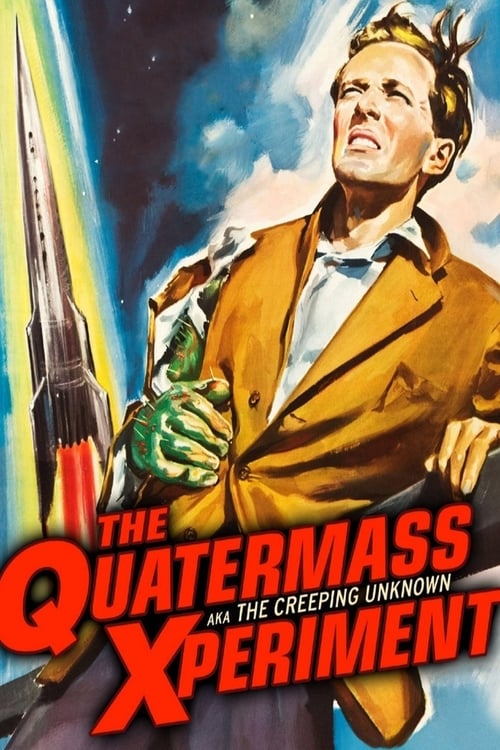
1955

1965
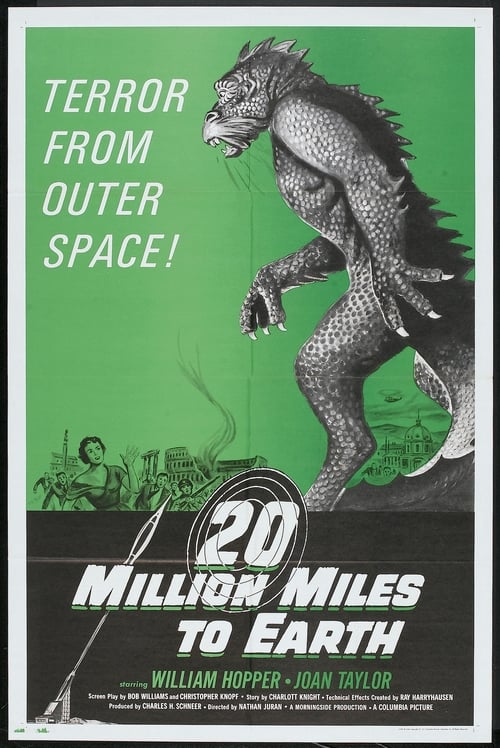
1957
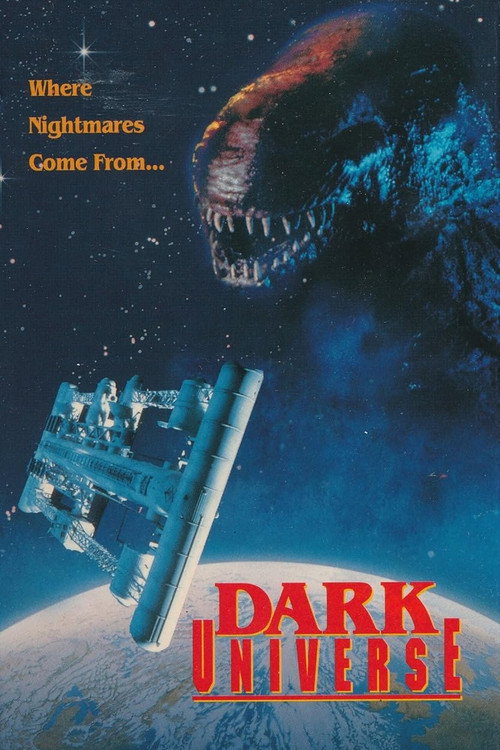
1993
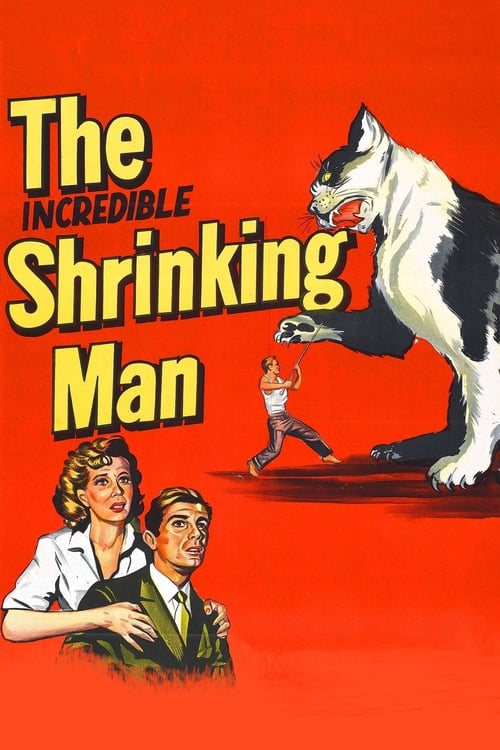
1957
No reviews yet. Be the first to share your thoughts on this movie!
Use the rating form above to leave a star rating and optional review.