Alexis
2012
No user ratings available yet
Representation score: 0.3 out of 10
Representation Score
Fair
2010
Director
Rupert Sanders
Runtime
11 minutes
Average Rating
No ratings yetNew Showbiz Analysis
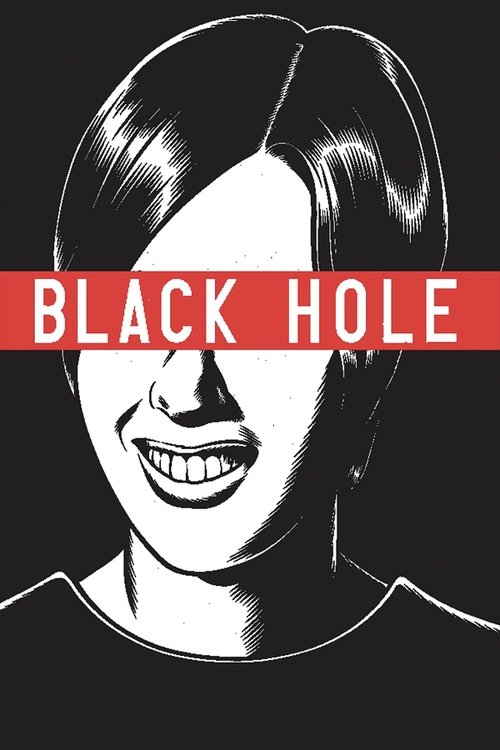
Black Hole is a genre-focused short film that emphasizes stylized, visceral aesthetics over social commentary. Its narrative revolves around the biological horror of a mutating disease, limiting its ability to represent diverse demographics. While the film effectively challenges traditional standards of bodily perfection through grotesque transformations, it remains tied to established horror conventions. It serves more as a stylistic exploration than a tool for critiquing social structures. Ultimately, the work lacks the depth needed to address multiple aspects of identity simultaneously. The focus on mutation as a source of horror prevents the film from achieving meaningful representation of physical differences.
Category Breakdown
The film examines intimacy through a sexually transmitted mutation, but it doesn't explore non-straight relationships or identities. Instead, it focuses on the biological horror.
The story centers on teenagers experiencing physical changes. It doesn't clearly challenge traditional gender roles or power dynamics among the characters.
The narrative focuses on a universal biological threat affecting everyone. It doesn't highlight a diverse or non-Anglo-Saxon cast.
The film uses a postmodern body-horror aesthetic to challenge ideas of physical perfection. It doesn't offer a deeper critique of systemic issues or capitalism.
Physical mutations are the main theme, showing unusual bodies as a result of the disease. These changes are portrayed as a horrific condition rather than a part of life.
Present on Screen
Limited or Absent
Official Synopsis
Short film directed by Rupert Sanders based on the comic book by Charles Burns. The story deals with the aftermath of a sexually transmitted disease which causes grotesque mutations in teenagers.
2012
1975
2015
2006
2002
2007
2020
2015
No reviews yet. Be the first to share your thoughts on this movie!
Use the rating form above to leave a star rating and optional review.