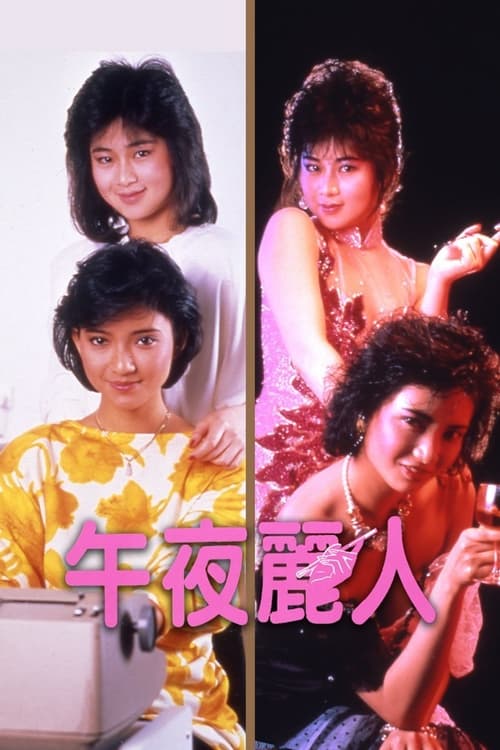
Midnight Girls
1986
No user ratings available yet
Representation score: 5.5 out of 10
Representation Score
Fair
1983
Director
Allen Fong
Runtime
110 minutes
Average Rating
No ratings yetNew Showbiz Analysis
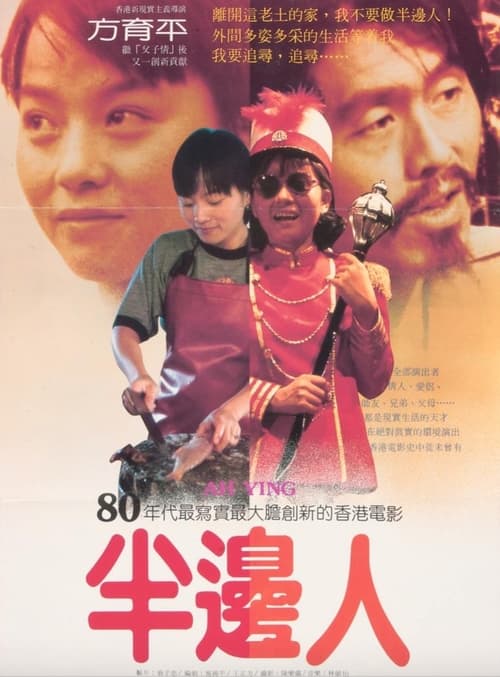
Ah Ying is a work of social realism that centers on the ability to act of a young woman navigating the constraints of 1980s Hong Kong. It successfully challenges traditional hierarchies by making a female figure the primary driver of the plot rather than a secondary archetype. The film excels in its ethnographic authenticity and its critique of systemic poverty and social mobility. By focusing on the working class, it avoids sanitized or heroic clichés in favor of a granular, honest look at survival. However, the film lacks representation of LGBTQ+ identities and disabilities, focusing instead on the protagonist's immediate socioeconomic and domestic struggles.
Category Breakdown
The film does not include any explicit LGBTQ+ characters or stories. Instead, it focuses on the socioeconomic and domestic realities of the protagonist's environment.
A female protagonist drives the emotional and thematic progression of the story. The film highlights the specific domestic pressures and vulnerabilities faced by women in urban settings.
The cast is predominantly Cantonese-speaking and ethnically Chinese. This homogeneity supports the film's commitment to localized realism and the specific textures of working-class Hong Kong.
The narrative offers a deep critique of socioeconomic structures and urban poverty. It prioritizes the lived experiences of underrepresented people over idealized versions of family or institutional stability.
There are no prominent depictions of visible or invisible disabilities that serve as central narrative drivers in this work.
Present on Screen
Limited or Absent
Official Synopsis
Chronicles the growth of a young woman as she dabbles in Hong Kong’s independent film scene. Based in part on Hui’s real-life experiences.
1986
1985

2000

1985
1986

1989
1983

2008
No reviews yet. Be the first to share your thoughts on this movie!
Use the rating form above to leave a star rating and optional review.