Infiltration
2022
No user ratings available yet
Representation score: 2.9 out of 10
Representation Score
Fair
2016
Director
Ridha Behi
Runtime
100 minutes
Average Rating
No ratings yetNew Showbiz Analysis
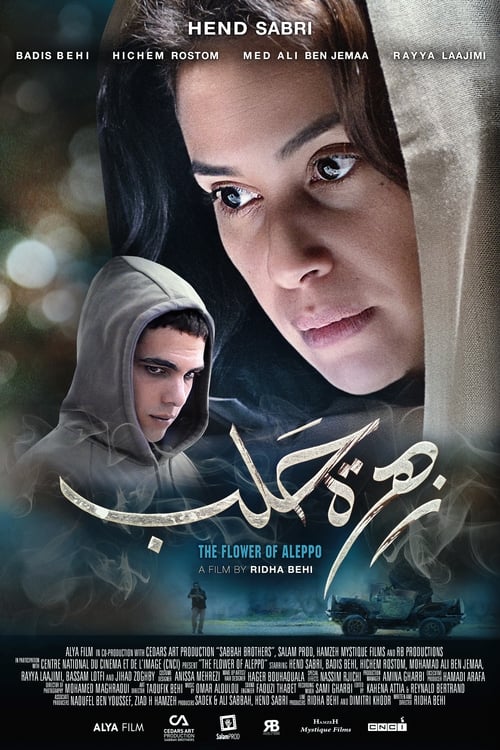
The Flower of Aleppo stands out from typical war films by centering on a female protagonist whose actions are driven by maternal protection and professional expertise. By featuring a Tunisian paramedic in a Syrian conflict, the film shifts focus from Western-centric views to explore regional socio-political dynamics. While the film effectively challenges traditional gender roles and provides a localized cultural viewpoint, it lacks representation of LGBTQ+ identities or disability. The narrative's strength lies in its character-driven exploration of systemic upheaval rather than military clichés. Ultimately, the film offers a meaningful departure from mainstream war narratives by focusing on the human cost of radicalization through a non-Western, female-led lens.
Category Breakdown
The film does not include any LGBTQ+ characters or narratives exploring non-straight relationships. There is no evidence of queer representation within the story.
Salma serves as a strong female lead who drives the plot through her professional skills. She actively navigates a male-dominated extremist environment, subverting traditional passive female roles.
The story focuses on North African and Middle Eastern identities, offering a localized perspective on conflict. This shifts the focus away from typical Western-centric war stories.
The film examines the tension between family bonds and radicalized political structures. It critiques extremist ideologies and the instability of social orders.
There is no evidence regarding the portrayal of physical or neurodivergent disabilities. The narrative does not address disability representation.
Present on Screen
Limited or Absent
Official Synopsis
Salma is a 37 years old paramedic nurse working in private and public hospitals in Tunisia. When her only son, Murad, go to Syria to join the terrorist movement Al-Nusra Front, Salma infiltrate the jihadists with the aim to bring her son back to Tunisia.
2022
2002
2022
2015
2015
2019
2017
2022
No reviews yet. Be the first to share your thoughts on this movie!
Use the rating form above to leave a star rating and optional review.