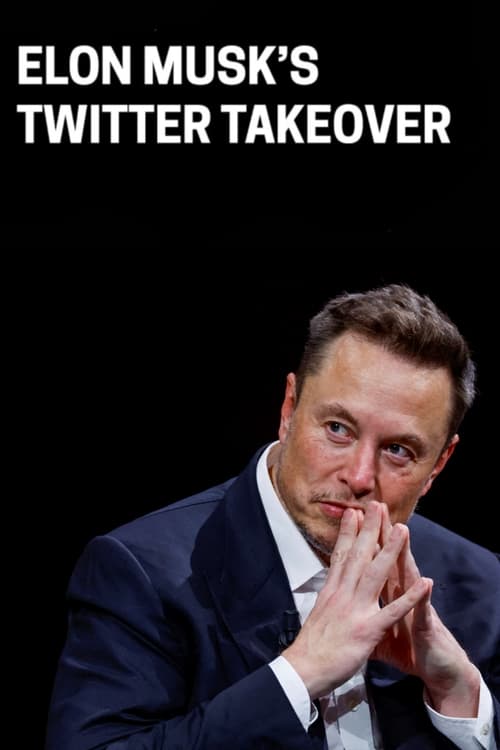
Elon Musk’s Twitter Takeover
2023
No user ratings available yet
Representation score: 3.2 out of 10
Representation Score
Fair
2026
RDirector
Alex Gibney
Runtime
238 minutes
Average Rating
No ratings yetNew Showbiz Analysis
The film opens on the myth of the "inventor-entrepreneur," a title that sells autonomy and merit while masking the machinery of state power. Alex Gibney’s camera treats Elon Musk not as a lone genius but as a node in a network of political capture, where wealth is the currency of ideological influence. The sold meaning is clear: the billionaire is not a neutral actor but an active architect of right-wing policy, using his platform to reshape the social contract. The contradiction lies in the film’s framing of Musk as both a visionary and a puppeteer. While the narrative acknowledges his technological achievements, it consistently undermines them by highlighting his role in eroding democratic norms. The last image, though not specified in the evidence, likely reinforces this tension: a man who claims to transcend politics is inextricably bound to it. The camera loves the spectacle of his power but withholds moral approval, leaving the viewer to confront the cost of his influence. In the context of 2026, the film serves as a cultural audit of the tech elite’s grip on public life. It does not merely document Musk’s actions but interrogates the systems that enable them. The absence of diverse voices in the primary cast mirrors the homogeneity of the power structures under scrutiny, a limitation that the film does not fully address but implicitly critiques through its focus on the concentration of influence.
Category Breakdown
No queer presence appears in the cast or plot. The narrative tracks heterosexual family dynamics and political influence. Absence defines the category.
Justine Musk appears as a self-representing subject. The film centers male authority and structural power. Women serve as family or associates, lacking moral weight.
The cast is predominantly white, mirroring the tech elite. Non-white voices are absent from primary subjects. This reinforces a homogeneous view of corporate power.
The film critiques the fusion of tech wealth and right-wing politics. It challenges the meritocratic myth of the self-made inventor. Traditional hierarchies are framed as tools for ideological capture.
No disabled characters or impairments are featured. The narrative does not engage with disability as a social or identity-based category. Absence is total.
Present on Screen
Limited or Absent
Official Synopsis
An incisive look behind the legend of Elon Musk, the world's most heralded "inventor-entrepreneur" who has enormous influence on the world in which we all live.
2023

2016
2018

2018

2019

2016
2020
2015
No reviews yet. Be the first to share your thoughts on this movie!
Use the rating form above to leave a star rating and optional review.