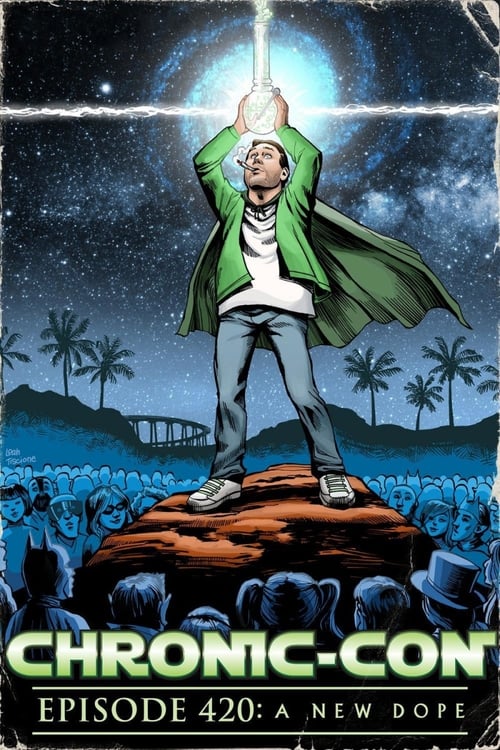
Chronic-Con, Episode 420: A New Dope
2015
No user ratings available yet
Diversity score: 4.3 out of 10
2007
Director
Brett Harvey
Runtime
104 minutes
Average Rating
No ratings yetSynopsis
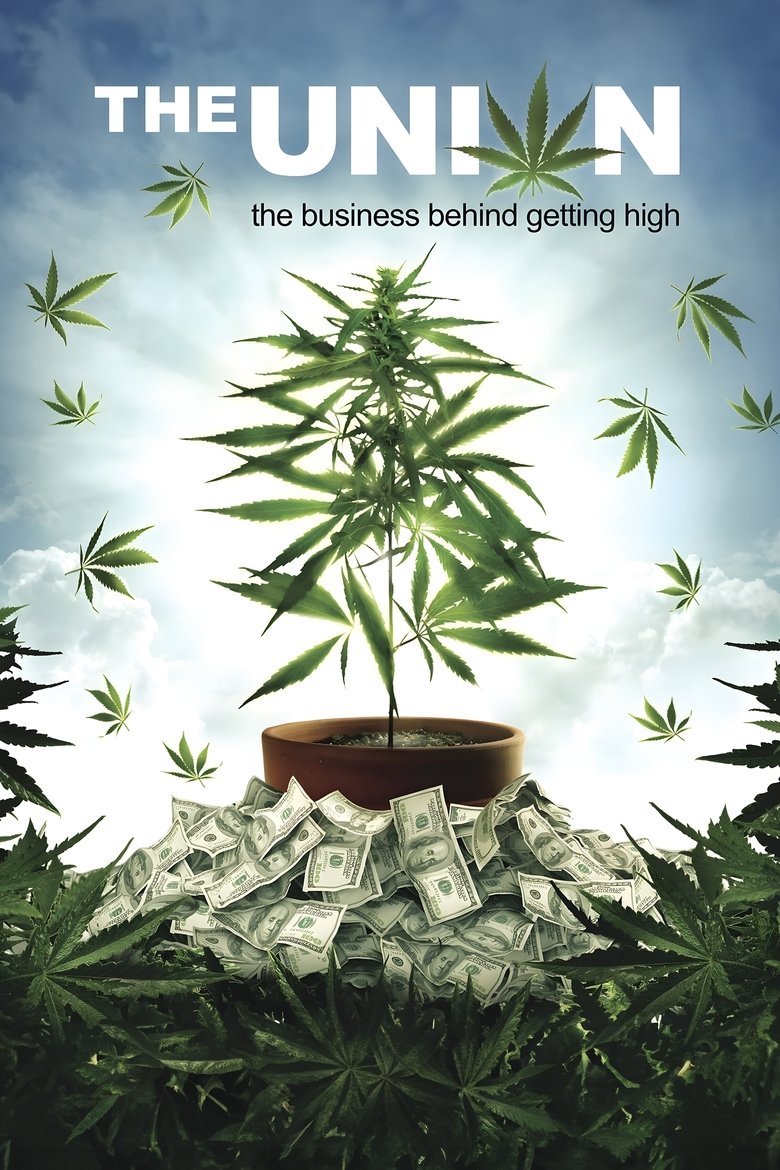
Filmmaker Adam Scorgie explores the illegal marijuana industry in British Columbia, revealing how the international business is most likely more profitable than it would be if it was lawful in this enlightening documentary. Marijuana growers, law enforcement officials, physicians, politicians, criminologists, economists and celebrities—including comedian Tommy Chong—shed light on this topical subject in a series of compelling interviews.
Overall Score
Fair
Category Breakdown
LGBTQ+ Representation
The documentary focuses entirely on the socio-economic and legal mechanics of the marijuana industry. There are no visible LGBTQ+ characters or narratives addressing non-heteronormative identities.
Gender Representation
The film centers on the industrial and legal aspects of the cannabis trade. While it features various professionals, the subject matter leans toward male-dominated sectors like law enforcement and illegal trade.
Racial & Ethnic Diversity
The film explores the international business of marijuana within British Columbia. While the global nature of the industry suggests demographic variety, there is no specific evidence of intentional intersectional casting.
Religious & Cultural Diversity
The narrative challenges traditional Western legal institutions by framing illegal trade as a profitable business. It celebrates counter-cultural values and critiques systemic restrictions through figures like Tommy Chong.
Disability Representation
There is no documented evidence of subjects or characters with visible or invisible disabilities. The film's scope remains strictly on the economic and legal aspects of the industry.
Strengths
Areas for Improvement
AI Analysis
The Union: The Business Behind Getting High functions primarily as a counter-cultural critique of prohibition. It succeeds in disrupting mainstream institutional narratives by framing the illegal marijuana trade through an economic lens. This focus on anti-institutionalism provides a strong cultural perspective that challenges state authority. However, the film lacks depth in identity-based representation. The narrative is heavily weighted toward professional expertise in male-dominated fields, such as law enforcement and industry mechanics, leaving little room for diverse social identities. There is a notable absence of LGBTQ+ and disability-focused content. Ultimately, the documentary is a specialized look at a specific subculture. While it offers a compelling look at the business of cannabis, its demographic breadth is limited by its narrow focus on legal and economic structures.
2015
2003
2004
2004
2014
No reviews yet. Be the first to share your thoughts on this movie!
Use the rating form above to leave a star rating and optional review.