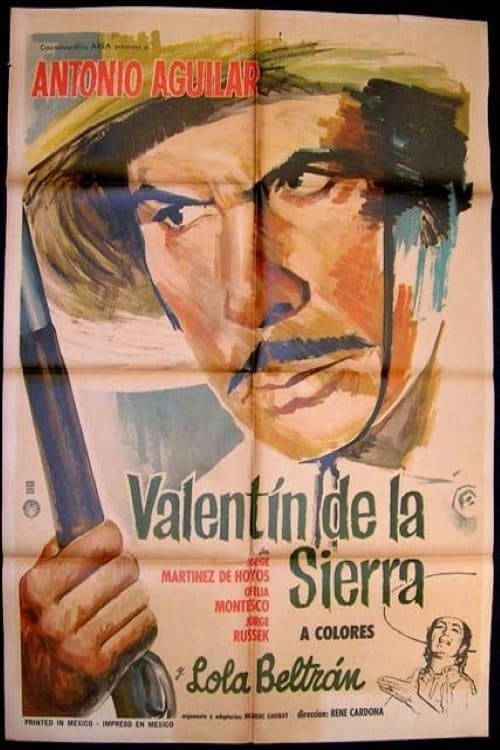
Valentín de la Sierra
1968
No user ratings available yet
Representation score: 3.4 out of 10

Representation Score
Fair
1983
Director
Jeremias Moreira Filho
Runtime
98 minutes
Average Rating
No ratings yetNew Showbiz Analysis
Fuscão Preto stands out as a culturally significant piece of 1980s Brazilian cinema for its refusal to adhere to the era's typical demographic homogeneity. By placing Black protagonists at the center of a mainstream commercial comedy, the film disrupts traditional racial hierarchies and gives significant roles to characters of color. However, the film remains tied to the social and gendered constraints of its time. The narrative is driven primarily by male characters, and the romantic arcs follow standard patterns typical of the era, offering little room for diverse gender or sexual identities. Ultimately, while it lacks modern progressive representation in gender and LGBTQ+ categories, its focus on the Black working class and urban Rio de Janeiro makes it a meaningful departure from the era's standard casting norms.
Category Breakdown
The film sticks to traditional romantic patterns and does not include non-straight or non-cisgender identities. It follows the social norms of the 1980s without challenging the assumption that everyone is straight or cisgender.
Male characters play a central role in the story, while female characters often serve as catalysts for the male lead’s actions rather than driving their own storylines.
The film centers a predominantly Black cast, providing a nuanced look at racial identity and socioeconomic realities within the Brazilian class structure. It breaks away from the white-centric mainstream comedy by highlighting the experiences of Black individuals.
The story focuses on the urban identity of Rio de Janeiro, offering a subtle critique of systemic barriers faced by the underrepresented working class. It highlights the local perspective on life in Rio de Janeiro.
There is no significant evidence regarding the portrayal of visible or invisible disabilities in this work.
Present on Screen
Limited or Absent
1968

1959
1977
1978

1979
1989
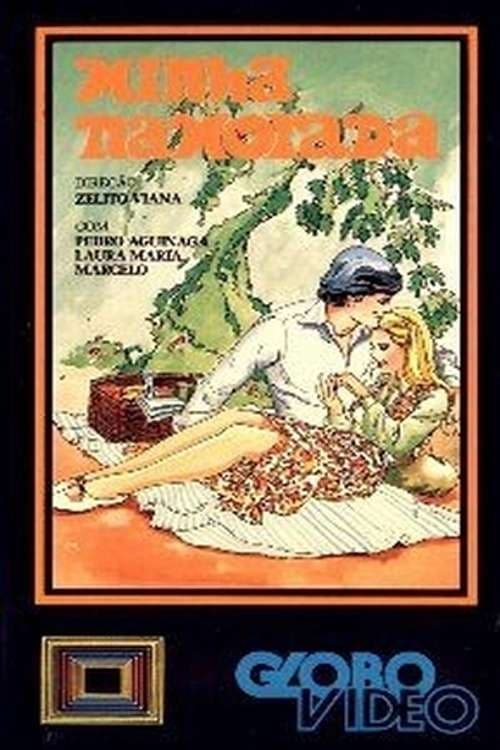
1970

1961
No reviews yet. Be the first to share your thoughts on this movie!
Use the rating form above to leave a star rating and optional review.