
Sammy, the Way-Out Seal
1962
No user ratings available yet
Representation score: 0.4 out of 10
Representation Score
Limited
1970
TV-GDirector
Marvin J. Chomsky
Runtime
87 minutes
Average Rating
No ratings yetNew Showbiz Analysis
The film operates as a traditionalist family comedy rooted in the social norms of the 1970s. Its narrative structure relies on established archetypes and conventional social hierarchies rather than multi-layered complexity. While the plot provides a modest critique of top-down municipal authority, the demographic breadth is limited. The central conflict between the accountant and the Mayor serves as a vehicle for community-based storytelling rather than social exploration. Ultimately, the production lacks the demographic variety or character complexity necessary to move beyond a standard period-specific family drama.
Category Breakdown
There are no LGBTQ+ characters or narratives that challenge the assumption that everyone is straight or cisgender.
The film focuses on a male accountant and his children, maintaining a traditional patriarchal family structure without challenging gender hierarchies.
The film likely reflects the homogeneous casting standards of its era. There is no evidence of a racially diverse cast within the provided context.
The story offers a mild critique of institutional rigidity by showing a common man fighting against municipal bureaucracy. It portrays the zoo as a vital community asset.
No information is available regarding characters with visible or invisible disabilities. The narrative focuses on the conflict between the zoo and the museum.
Present on Screen
Limited or Absent
Official Synopsis
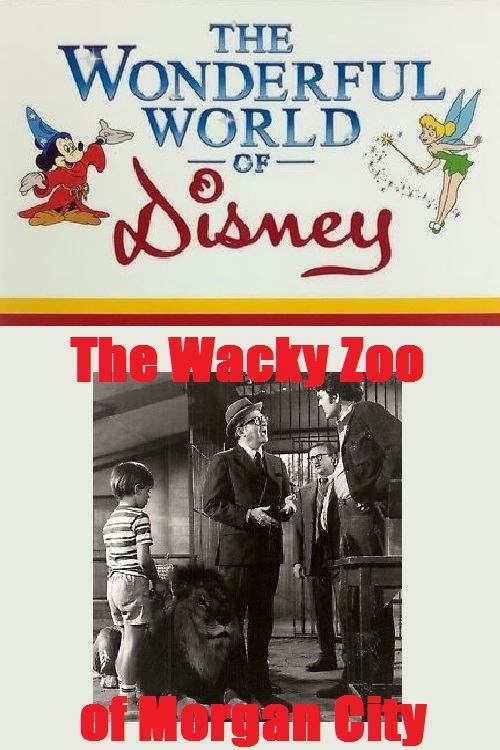
Based on Charles Goodrum’s book, "I’ll Trade You an Elk." The mayor wants to close down the run-down city zoo and use the site for a museum, but an accountant and his children fight to save it.
1962
1995
1965
2012
1986

2014

2015
1965
No reviews yet. Be the first to share your thoughts on this movie!
Use the rating form above to leave a star rating and optional review.