Run for the High Country
2018
No user ratings available yet
Representation score: 5.2 out of 10
Representation Score
Fair
2021
NRDirector
Stephen Johnson
Runtime
104 minutes
Average Rating
No ratings yetNew Showbiz Analysis
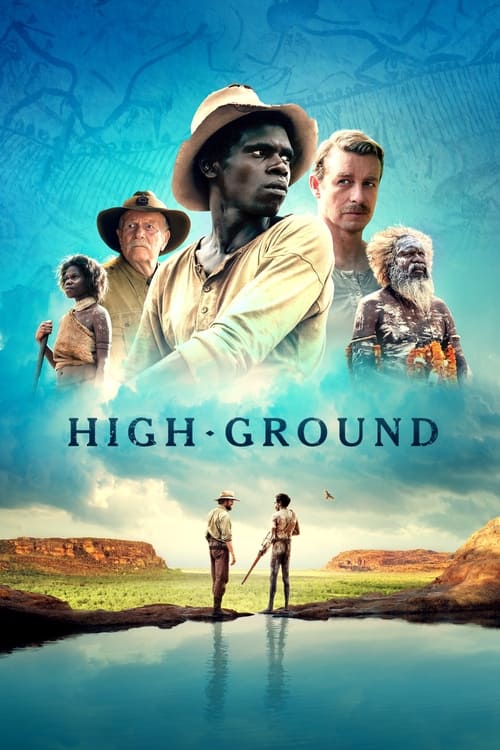
High Ground serves as a powerful deconstruction of the Western genre, replacing the myth of the civilizing frontier with a critique of settler-colonialism. By centering Indigenous ability to act and the historical reality of the 1919 massacre, the film shifts the narrative focus away from traditional Anglo-Saxon perspectives. The film's strength lies in its deep engagement with post-colonial discourse and its portrayal of the landscape as a character tied to ancestral connection. It effectively challenges the heroic Western archetype by framing colonial law as a source of instability and trauma. While the film is highly progressive in its racial and cultural critique, it lacks representation for LGBTQ+ identities and does not feature specific disability-focused character arcs. The gender representation is meaningful but remains secondary to the male-driven central conflict.
Category Breakdown
The film focuses on the struggles of colonial survival and ancestral retribution. There is no presence of queer identities or non-straight relationships.
Indigenous women play a significant role in navigating the aftermath of colonial violence. While men drive the main conflict, women maintain cultural continuity and are not passive.
The narrative centers on Aboriginal clans and their sovereignty, shifting the perspective away from Anglo-Saxon viewpoints to highlight the erasure of non-white histories.
Western institutions are portrayed as tools of oppression rather than justice. The story critiques the corruption of colonial power structures through complex morality.
The film shows physical and psychological trauma from colonial violence. However, it does not feature specific portrayals of neurodivergence or chronic disability as central themes.
Present on Screen
Limited or Absent
Official Synopsis
In a remote corner of the wild country, a bloody war rages. Travis is a bounty hunter with one last hope of redemption. Gutjuk is a young Indigenous man trying to save the last of his family. Together they embark on a manhunt, which unravels a secret that ultimately pits them against each other.
2018
1995
2021
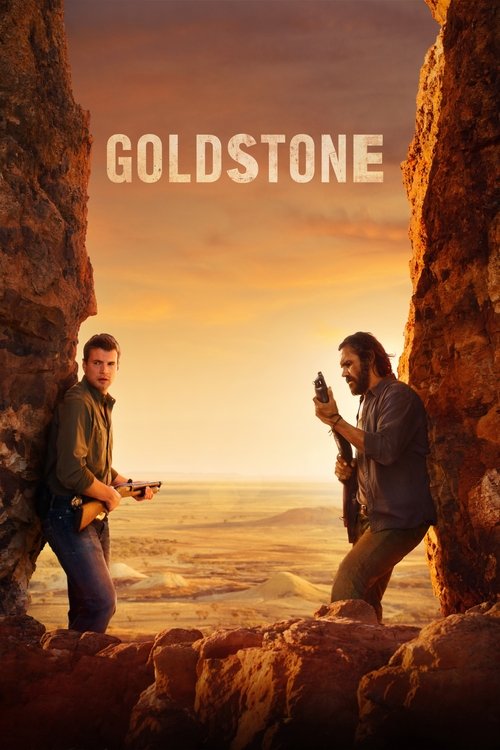
2016
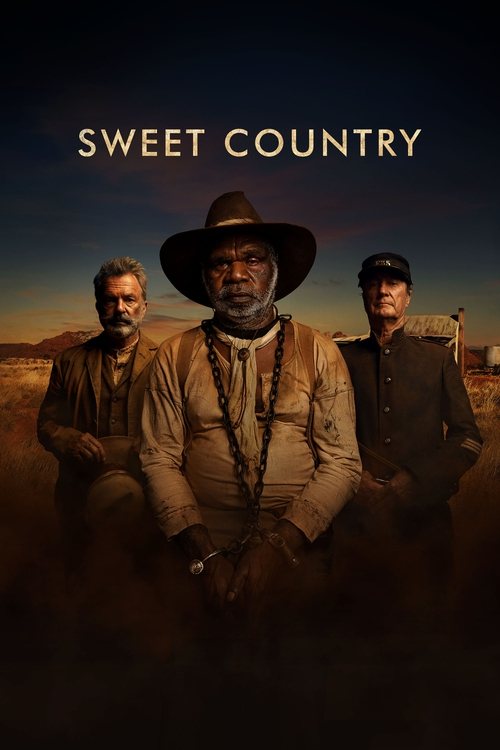
2018
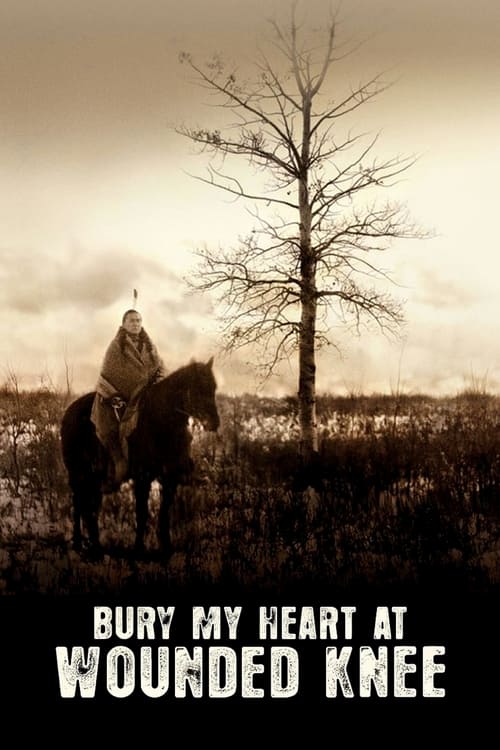
2007
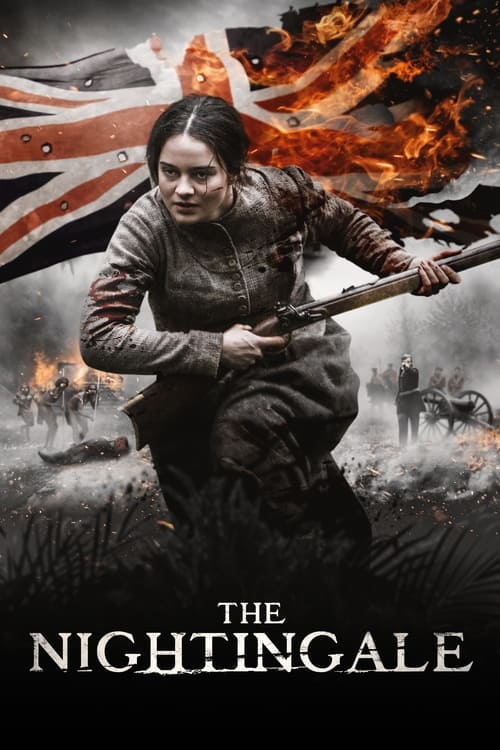
2018
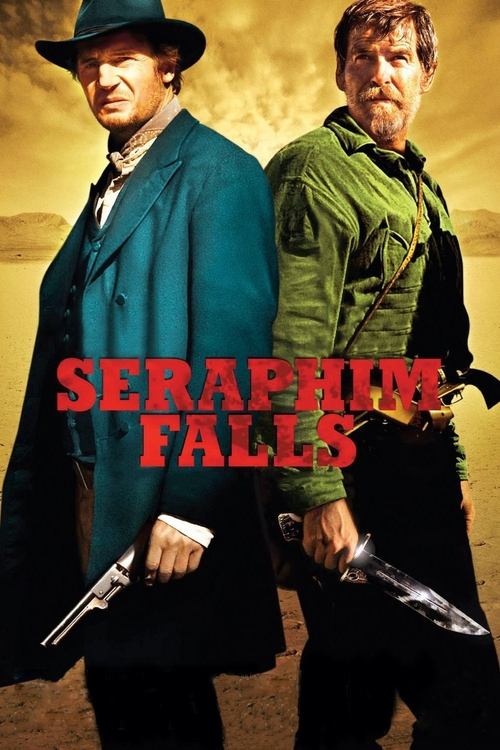
2007
No reviews yet. Be the first to share your thoughts on this movie!
Use the rating form above to leave a star rating and optional review.