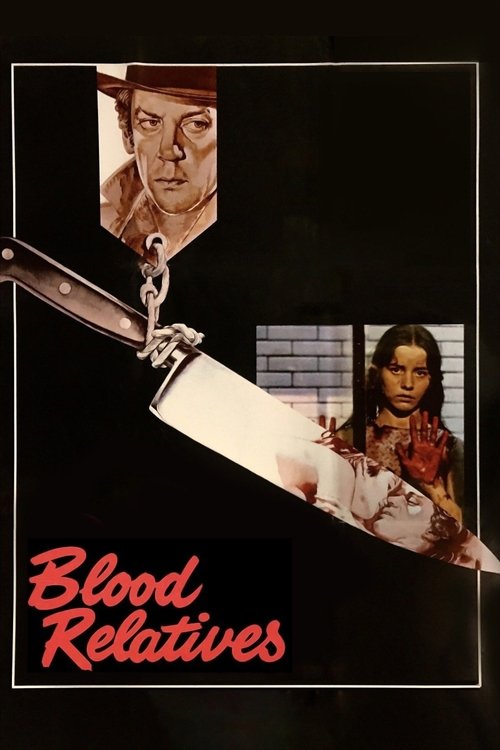
Blood Relatives
1978
No user ratings available yet
Representation score: 4.9 out of 10
Representation Score
Limited
1990
Director
Claude Bernard-Aubert
Runtime
82 minutes
Average Rating
No ratings yetNew Showbiz Analysis
The film functions as a standard genre piece, prioritizing plot mechanics and suspense over social commentary. It adheres to the traditional conventions of early 1990s European crime thrillers, focusing on mystery and class-based tension. Narrative ability to act is heavily skewed toward a male protagonist, while female characters serve largely as catalysts for the plot through their deaths. The setting and social circles depicted suggest a narrow, Eurocentric focus on a wealthy, homogeneous elite. Ultimately, the work does not attempt to disrupt conventional social narratives or power dynamics, instead operating within established cinematic frameworks of the era.
Category Breakdown
The film follows a traditional mystery structure without clear representation of LGBTQ+ identities. The inclusion of LGBTQ+ perspectives seems incidental rather than intentional.
The story centers on a male detective navigating a criminal investigation. Women appear primarily as victims within a high-society framework, lacking significant roles that challenge traditional hierarchies.
Set in Nice and focused on an exclusive club, the narrative suggests a homogeneous, socio-economic elite. The film adheres to Eurocentric casting norms typical of 1990s French crime thrillers.
The plot emphasizes established social structures and wealth through its focus on an exclusive club. It utilizes high-society crime clichés rather than offering any anti-Western or anti-capitalist critiques.
There is no information regarding characters with visible or invisible disabilities. Consequently, no assessment of ability to act or the avoidance of clichés can be made.
Present on Screen
Limited or Absent
Official Synopsis
Four murders in forty-eight hours happen in Nice. The murderer calls himself "The Exterminator" and the police are unable to catch him. Tom Lepski is an insurance detective and he get involved in the investigation when Liza Mendoza, a famous violinist and a friend, is killed just a few minutes before Tom visit her. After another rich woman killing, Tom finds out that all the victims were members of the exclusive Fifty Club. All of them but Lisa.
1978
1983

1973
1942

1958

1984
1980
1983
No reviews yet. Be the first to share your thoughts on this movie!
Use the rating form above to leave a star rating and optional review.