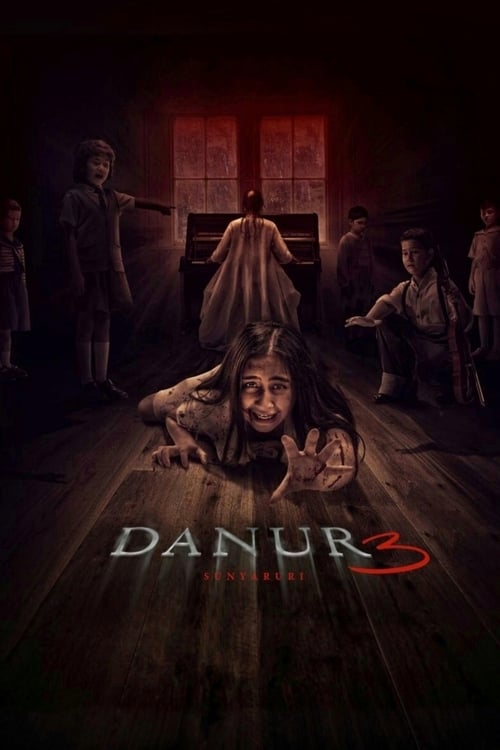
Danur 3: Sunyaruri
2019
No user ratings available yet
Representation score: 5.5 out of 10

Representation Score
Fair
2026
Director
Awi Suryadi
Runtime
98 minutes
Average Rating
No ratings yetNew Showbiz Analysis
Danur: The Last Chapter uses horror to confront Indonesia’s colonial past. Risa’s active role as an investigator gives the film a strong female perspective, while the Dutch ghosts embody historical oppressors. This framing turns supernatural terror into a critique of power and memory. The racial and cultural dimensions are clear: an Indonesian-led cast faces white colonial spirits in spaces like a church and theater. These settings carry weight, suggesting trauma embedded in institutions rather than simple gothic atmosphere. Gaps remain. There is no LGBTQ+ presence or disability representation, and possession sequences risk undermining female agency. Still, the film’s focus on local history and a determined protagonist makes its diversity profile meaningful, if incomplete.
Category Breakdown
No LGBTQ+ characters, relationships, or themes appear in the narrative. The film centers on heterosexual romance and a ghostly friendship group, leaving queer identities entirely absent from its world.
Risa, a woman, leads the investigation into the haunting and drives the plot forward. Her sister Riri is central as the bride-to-be, though her agency is unclear as she acts strangely under supernatural influence.
The cast is predominantly Indonesian, including the lead Risa. The story centers on Dutch colonialism, featuring white Dutch characters as ghosts or antagonists, highlighting historical racial dynamics.
The film critiques Dutch colonialism through its ghostly antagonists and setting. It features a wedding and a church, but the supernatural horror suggests these institutions are sites of trauma rather than pure comfort.
No characters with physical or mental disabilities are shown or identified in the available plot details. The strange behavior of Riri appears supernatural, not medical.
Present on Screen
Limited or Absent
Official Synopsis
After years of separation from her ghost friends, Risa goes on with her life, closing the door to any communication with any ghosts. However, things change when her sister, Riri, is proposed. In an old theater and begins acting strangely in the time leading to her wedding. Not only does Riri change, but Risa also begins experiencing a series of strange events, as if she’s experiencing a painful death repeatedly. Risa suspects that this was happening because her ghost friends, Peter and his friends, were trying to convey something.
2019

2017
2017

2007
2018
2009
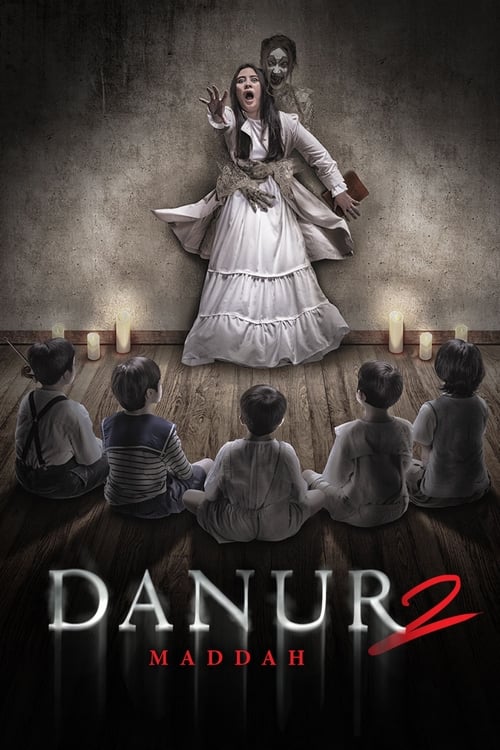
2018

2025
No reviews yet. Be the first to share your thoughts on this movie!
Use the rating form above to leave a star rating and optional review.