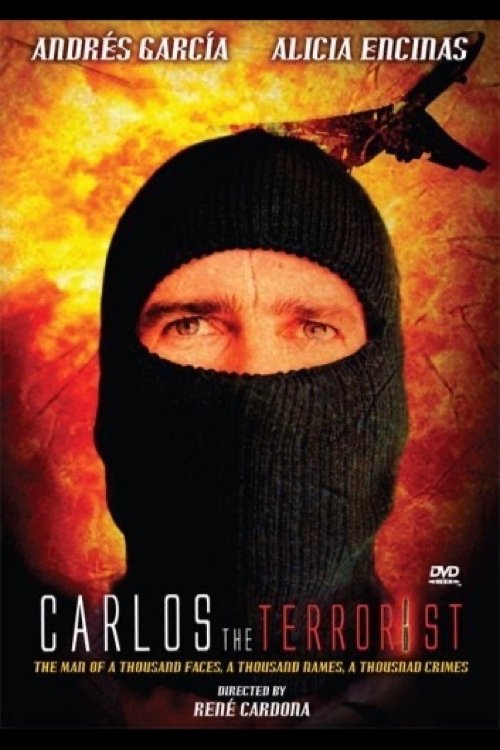
Carlos El Terrorista
1980
No user ratings available yet
Representation score: 2.9 out of 10

Representation Score
Fair
1980
Director
Antônio Calmon
Runtime
98 minutes
Average Rating
No ratings yetNew Showbiz Analysis
The Torturer offers a gritty, cynical perspective on authority, distinguishing itself from typical action movies. By portraying corrupt religious and political institutions, the film shifts away from conventional moralism towards a more complex narrative. While the film provides visibility for LGBTQ+ identities through a military officer's romantic interest, it remains tied to period-specific stereotypes. Gender dynamics are largely traditional, emphasizing the male gaze over female empowerment. Ultimately, the film's diversity serves the geopolitical plot rather than a deliberate effort at inclusive representation, reflecting its era while challenging genre conventions.
Category Breakdown
The film features a Colonel who is in a relationship with a male prostitute, providing visibility for LGBTQ+ identities. However, the character's portrayal relies on familiar stereotypes about masculinity.
Women in the film are primarily depicted as objects of the male gaze, lacking significant roles in driving the narrative. Men dominate the story, focusing on male-driven conflict.
The film showcases a multicultural cast, including Zionist hitmen and Nazi war criminals in Latin America. However, this diversity mainly serves the geopolitical plot rather than exploring deeper layers of identity.
The movie presents a critical view of authority through a cocaine-addicted priest supporting a dictatorship. It favors moral relativism over traditional moral frameworks.
There is no discernible evidence regarding the portrayal of physical or neurodivergent disabilities within the narrative.
Present on Screen
Limited or Absent
Official Synopsis
Zionists hire a hitman to kill a Nazi war criminal exiled in a Latin American country, where he's being protected by the local dictator. Get ready for gunshots; sex scenes; strange form of tortures; a cocaine-addict priest who helps the dictatorship; contemptous remarks and behavior from the main "hero"; amusing sequences of Chuchu having fun with beautiful women pretending to be James Bond; and the wimp colonel who is in love with a male prostitute. It's all good and fun to watch but remember that this is a product of its era, so it's quite possible to see some objectionable things. But for the most part it's never crass or insanely offensive.
1980
1973

1977
1974

1972
1974
1967
1981
No reviews yet. Be the first to share your thoughts on this movie!
Use the rating form above to leave a star rating and optional review.