SHIROBAKO the Movie
2020
No user ratings available yet
Representation score: 4.6 out of 10
Representation Score
Fair
2019
Director
Kanta Kamei
Runtime
115 minutes
Average Rating
No ratings yetNew Showbiz Analysis
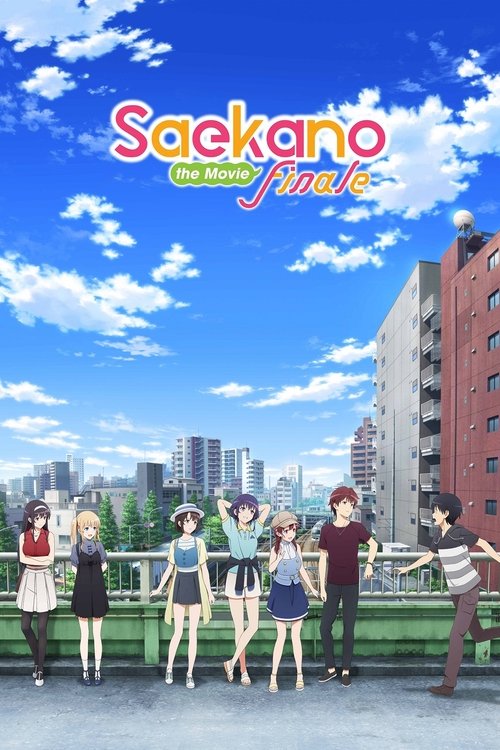
Saekano the Movie: Finale is a specialized work that prioritizes meta-commentary on the creative process over social representation. It succeeds in deconstructing character archetypes, particularly through its lead female character, but remains tethered to traditional genre conventions. The film's strength lies in its ability to challenge the 'idealized heroine' cliché. By presenting a self-actualized female lead, it moves away from performative femininity, even if the broader narrative structure remains centered on a male protagonist. However, the film lacks multi-layered depth. The cast is largely homogeneous, and the narrative avoids systemic or ideological themes, focusing instead on interpersonal relationships and individual professional dedication.
Category Breakdown
The film operates within a strictly straight-centered framework. Narrative tension relies entirely on romantic developments between the male protagonist and his female counterparts, with no presence of diverse sexual orientations or gender identities.
Megumi Kato provides a nuanced subversion of 'moe' clichés through her grounded role. However, the harem-style structure keeps the male protagonist as the primary driver of the plot.
The cast is largely homogeneous, reflecting a Japanese high school setting. Eriri Spencer offers a singular instance of mixed heritage, though it serves more as a character design choice.
The story focuses on personal ambition and creative excellence within a capitalist framework. It avoids engagement with broader systemic, secular, or ideological conflicts.
There is no significant depiction of physical, sensory, or neurodivergent disabilities. Characters exist within the standard physical and mental health norms of the slice-of-life genre.
Present on Screen
Limited or Absent
Official Synopsis
After blessing software announced their first work, Eriri and Utaha leave the group to join popular creator Akane Kosaka in developing a major game called Fields Chronicle. Meanwhile, Tomoya and Megumi join hands with their new members and various other parties to produce their new game. What will become of Eriri and Utaha’s major work? Will the relationship between Tomoya and Megumi change? And what will be the ultimate fate of blessing software’s new game?
2020

2022

2025
2022
2021

2011

2011

2014
No reviews yet. Be the first to share your thoughts on this movie!
Use the rating form above to leave a star rating and optional review.