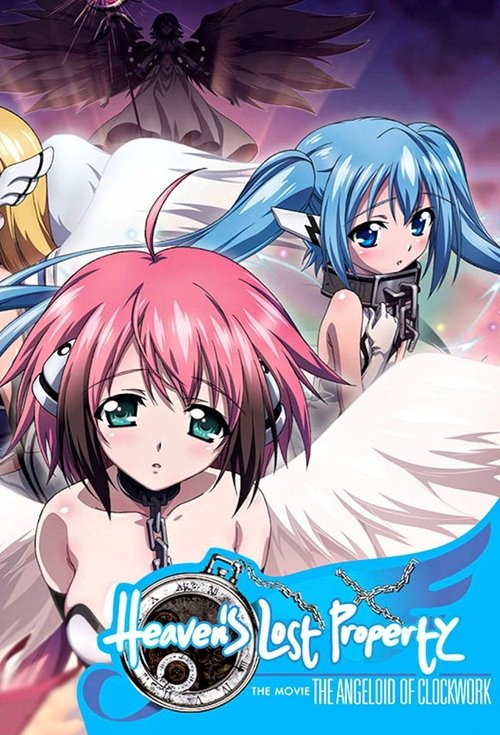
Heaven's Lost Property the Movie: The Angeloid of Clockwork
2011
No user ratings available yet
Representation score: 2.8 out of 10

Representation Score
Fair
2014
Director
Hisashi Saito
Runtime
49 minutes
Average Rating
No ratings yetNew Showbiz Analysis
The film is a character-driven science fiction story that gains depth by challenging traditional power structures. It shifts focus from master-servant hierarchies to explore the theme of personal autonomy. While the narrative successfully portrays the liberation of non-human subjects from oppressive systems, it remains limited by a lack of diverse representation. The aesthetic and romantic elements adhere to conventional genre patterns. Ultimately, the work emphasizes the emotional journey towards autonomy over a broad representation of human demographics.
Category Breakdown
The story focuses on a romantic relationship between a male protagonist and a female-coded Angeloid, following traditional romantic storylines without showing non-straight or non-cisgender identities or intimate relationships.
Female-coded characters like Ikaros and Nymph have powerful technological abilities that surpass those of the male protagonist. The story follows their journey from servant roles to achieving self-governance and independence.
The film maintains a uniform look typical of the science-fiction anime genre. There is no indication of diverse ethnic casting or significant racial blending in the character designs.
The plot criticizes absolute authority by highlighting the liberation of Angeloids from a master's control. This focus on individual freedom over systemic control offers a progressive narrative structure.
The characters are defined by their status as technological Angeloids and do not focus on physical, sensory, or neurodivergent disabilities.
Present on Screen
Limited or Absent
Official Synopsis
Ikaros is an Angeloid and falls out of the sky. Tomoki Sakurai is a boy who believes the most important thing is to live a peaceful life. The two live tougher. Tomoki Sakurai has never seen Ikaros smile. Tomoki Sakurai sees Nymph and Astraea laugh after they got free from the master’s rule. He hopes Ikaros can laugh like an ordinary girl. This movie wraps up the story of Tomoki Sakurai and his relationship with the Angeloid from the sky, Ikaros.
2011

2022

2000
2004
2003

2011
2015
1991
No reviews yet. Be the first to share your thoughts on this movie!
Use the rating form above to leave a star rating and optional review.