Carne
1991
No user ratings available yet
Representation score: 5.8 out of 10
Representation Score
Fair
2006
Director
Michele Soavi
Runtime
107 minutes
Average Rating
No ratings yetNew Showbiz Analysis
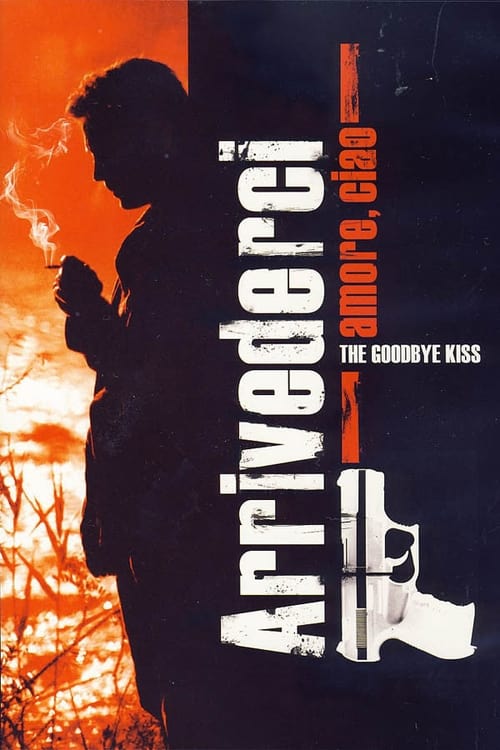
The Goodbye Kiss is a political thriller that prioritizes systemic critique over social identity representation. It excels in exploring the tension between radical history and the desire for conventional citizenship, using a corrupt state as a central antagonist. While the film provides a nuanced look at political compromise and the instability of Western institutions, it remains narrow in its demographic scope. The narrative is heavily centered on male-driven political and criminal conflicts. Ultimately, the film's strength lies in its cultural and political complexity rather than its diversity of identity. It trades broad social representation for a deep, skeptical examination of state authority and individual actions.
Category Breakdown
The film does not include any visible LGBTQ+ characters or non-straight relationships. The story focuses solely on the protagonist's political history and his interactions with law enforcement.
The story centers around a male-driven conflict involving political radicalism and police corruption. It does not provide much evidence of nuanced female roles or challenges to traditional gender hierarchies.
The film explores a transnational setting moving between Latin America and Italy, introducing ethnic diversity through the protagonist's history of exile. The plot delves into themes of political asylum and cross-border movement.
The film offers a sophisticated critique of Western institutional stability. By depicting state corruption and the struggle to join bourgeois life, it challenges the morality of capitalist social structures.
There is no evidence regarding the portrayal of physical or neurodivergent disabilities within the narrative.
Present on Screen
Limited or Absent
Official Synopsis
Leftist radical-turned-terrorist Giorgio—hiding out in Latin America since the 1970s—turns himself in as soon as the Berlin Wall falls. Wishing to lead a comfortable, bourgeois life in his native Italy, he cuts a deal with a dirty cop, getting his sentence reduced in return for ratting former comrades out. Once released, Giorgio obsessively pursues his dream of becoming an upright citizen, but his old police aquaintance keeps dragging him down...
1991

2010

1998

2019

2005

1992

1951
2019
No reviews yet. Be the first to share your thoughts on this movie!
Use the rating form above to leave a star rating and optional review.