Recording the Producers: A Musical Romp with Mel Brooks
2001
No user ratings available yet
Representation score: 5.3 out of 10
Representation Score
Good
2026
NRDirector
Nick Davis
Runtime
98 minutes
Average Rating
No ratings yetNew Showbiz Analysis
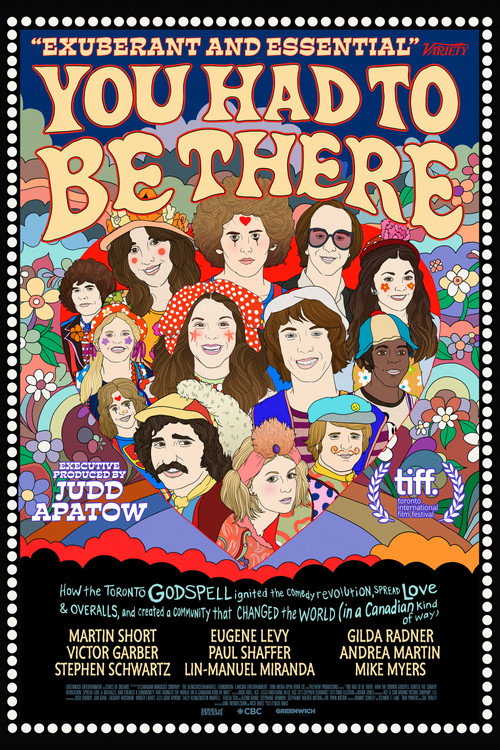
The documentary earns its highest marks for LGBTQ+ and cultural representation. Interviews with openly queer or strongly allied figures are woven into the core narrative, not tacked on. The film also treats the original production as a culturally disruptive force that reshaped comedy. Gender representation is solid: women like Andrea Martin and Gilda Radner are framed as co-architects of the movement. Their stories carry equal weight, resisting the era’s typical male-centric storytelling. Racial diversity and disability representation remain weak. The film stays faithful to a historically white cast and does not introduce disability perspectives, limiting its inclusivity despite its progressive themes.
Category Breakdown
The documentary spotlights figures like Lin-Manuel Miranda and Mike Myers, whose identities and advocacy lend strong LGBTQ+ resonance. Their interviews weave personal perspective into the story of a legendary comedy troupe that included Gilda Radner. This framing elevates queer voices beyond cameo status.
Women are positioned as creative engines, not supporting players. Andrea Martin and Gilda Radner are presented as equals to their male peers, shaping the comedy revolution from the center. The film treats their contributions as foundational rather than incidental.
The on-screen cast mirrors the actual demographics of the 1972 Toronto production, which was predominantly white. That historical accuracy comes at the cost of broader racial representation. The narrative does not expand beyond that original group.
The film treats the original Godspell production as a counter-cultural experiment that challenged norms and built community. It traces how that theatrical environment seeded modern comedy and pop culture. The tone frames the experience as transformative and culturally generative.
No characters with physical or mental disabilities appear in the cast or narrative. The documentary concentrates on comedic and artistic achievement without engaging disability themes. This absence narrows the range of lived experiences represented.
Present on Screen
Limited or Absent
Official Synopsis
Martin Short, Eugene Levy, Gilda Radner, Victor Garber, Paul Shaffer, and other entertainment icons got their start in a 1972 Toronto production of the musical Godspell. Featuring interviews with the surviving cast members, Lin-Manuel Miranda, Mike Myers, and more, the film recounts a pivotal moment in comedy history, in hilarious, moving, and inspiring detail. Executive produced by Judd Apatow.
2001
2023
2002
2008
2008
2004
2018
2017
No reviews yet. Be the first to share your thoughts on this movie!
Use the rating form above to leave a star rating and optional review.