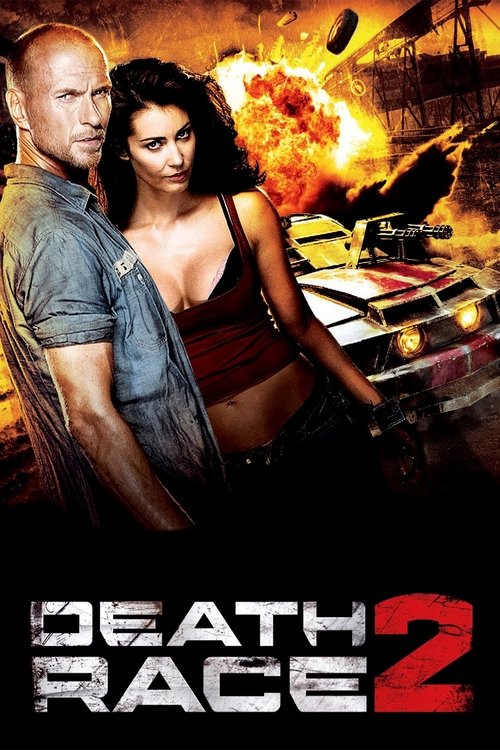
Death Race 2
2010
No user ratings available yet
Representation score: 3.5 out of 10
Representation Score
Limited
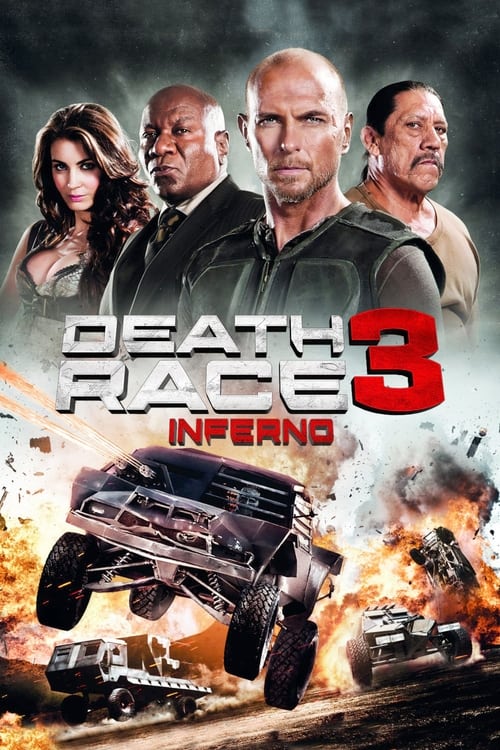
2013
RDirector
Roel Reiné
Runtime
104 minutes
Average Rating
No ratings yetNew Showbiz Analysis
Death Race: Inferno is a traditional dystopian action film that prioritizes visceral spectacle over social complexity. The narrative focuses on individualistic survival and genre-standard clichés, leaving little room for exploring diverse identities. While the film offers a critique of the 'spectacle economy' and the commercialization of violence, it fails to provide depth to its diverse cast. Characters often serve the plot's kinetic pacing rather than representing nuanced social perspectives. Ultimately, the film's reliance on a heavily masculine environment and a predominantly white cast results in a narrow representation of the human experience.
Category Breakdown
The film does not include any LGBTQ+ characters and does not explore non-straight identities. It stays within a conventional action format that avoids engaging with queer identities.
The setting emphasizes masculinity, focusing on vehicular combat and physical strength. Female characters play supporting roles rather than driving the main plot or challenging hierarchies.
The cast is mostly white, adhering to traditional casting practices. International prisoners appear but function as combatants in a spectacle rather than nuanced individuals with significant roles.
The story critiques a dystopian capitalist society where human life is commodified for entertainment. It portrays a corrupt system where protagonists use vigilantism to fight institutional oppression.
The film does not meaningfully portray visible or invisible disabilities. Characters are defined by their physical capacity for combat and driving, with no consideration of neurodivergence or illness.
Present on Screen
Limited or Absent
Official Synopsis
Carl Lucas / Frankenstein has won four of his races and needs to win one more to win his freedom. Before his final race, Lucas and his team, car and all, are transferred to another prison where they will compete in a Death Race in the desert. Also, at the same time, Ceaser runs into a marketer who wants to franchise the Death Race program.
2010

1975
2018
2002
2008
1992
2011
1986
No reviews yet. Be the first to share your thoughts on this movie!
Use the rating form above to leave a star rating and optional review.