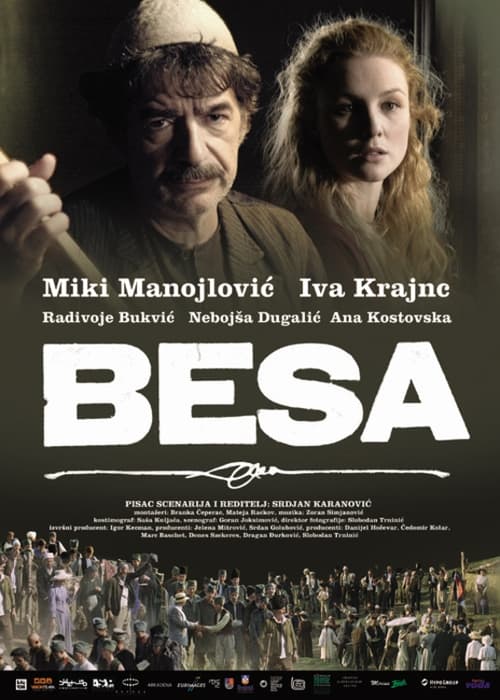
Solemn Promise
2009
No user ratings available yet
Representation score: 6.2 out of 10

Representation Score
Limited
2012
Director
Darko Mitrevski
Runtime
113 minutes
Average Rating
No ratings yetNew Showbiz Analysis
The Third Half is a sophisticated social drama that uses the microcosm of a football team to explore ethnic reconciliation. It succeeds by centering on a Jewish protagonist who bridges the gap between conflicting Macedonian and Albanian factions, offering a nuanced look at regional complexities. However, the film is constrained by its historical setting. The narrative is heavily male-centric, reflecting the era's focus on masculine leadership, and lacks any representation of LGBTQ+ identities or significant women's ability to drive the story. Ultimately, the film's strength lies in its ability to challenge rigid nationalist boundaries. It replaces these divisions with a shared pursuit of sport, making it a significant work for Balkan representation.
Category Breakdown
The film focuses on historical ethnic and nationalistic tensions. There are no characters representing LGBTQ+ identities or narratives addressing non-traditional gender roles within this period setting.
The cast is predominantly male, reflecting the 1940s football coaching environment. While it avoids harmful stereotypes, female characters have limited influence due to the historical context.
The story stands out by featuring a German-Jewish coach leading a team of Macedonian and Albanian players. This setup effectively disrupts monolithic national identities through ethnic conflict.
The narrative uses sport to transcend religious divides between Orthodox Christians and Muslims. It emphasizes human connection over rigid, state-driven nationalism.
There are no prominent depictions of visible or invisible disabilities that serve as central drivers for the characters or the plot.
Present on Screen
Limited or Absent
Official Synopsis
Spitz is the German-Jewish coach of the football team Macedonia during World War II. Under his leadership, the team fights to become the champion of Bulgaria's National Football League
2009
2003
1994

2018
2011
1989

2018
2011
No reviews yet. Be the first to share your thoughts on this movie!
Use the rating form above to leave a star rating and optional review.