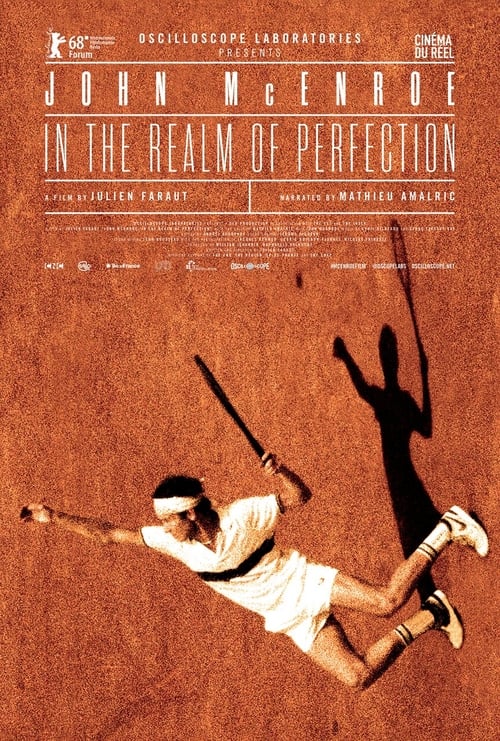
John McEnroe: In the Realm of Perfection
2018
No user ratings available yet
Representation score: 0.7 out of 10
Representation Score
Good
1982
Director
William Klein
Runtime
130 minutes
Average Rating
No ratings yetNew Showbiz Analysis
William Klein’s documentary captures the chaotic, kinetic energy of the 1981 Roland-Garros tournament and its urban surroundings. The film excels at critiquing traditional social structures and Western institutional stability, offering a postmodern critique of consumerist capitalism. However, it lacks depth in specific identity-driven storytelling. While the setting feels multicultural and avoids rigid gender norms, there is a notable absence of explicit LGBTQ+ or disability representation. Ultimately, the film is a study of social fragmentation and urban flux, succeeding as a stylistic disruption of documentary norms but remaining incidental in its approach to diverse character's ability to drive the story.
Category Breakdown
The film does not prominently depict LGBTQ+ stories or non-cisgender identities. There are no characters or narratives that explicitly challenge the assumption that everyone is straight or cisgender.
The film disrupts traditional gender hierarchies by showing fluid, transactional relationships. It avoids reinforcing traditional masculine dominance or feminine submission, but it does not give much emphasis to empowering women.
The film showcases a multicultural urban landscape through its background and supporting cast. This reflects a diverse range of ethnic backgrounds, though the diversity seems more related to the setting rather than the characters' roles.
The film portrays the city as a fragmented space marked by moral relativism. It implicitly critiques Western consumerism and traditional institutional stability. The city is shown as a place where social norms are questioned.
There is no significant depiction of visible or invisible disabilities in the film. The focus is more on socioeconomic differences and urban alienation rather than addressing neurodivergence or physical disabilities.
Present on Screen
Limited or Absent
Official Synopsis
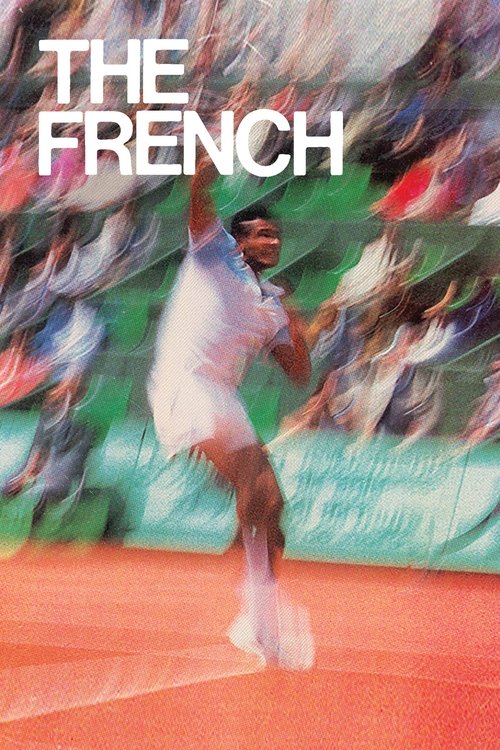
Roland-Garros, 1981: For the very first time, a documentary team is allowed to shoot sequences in the backstage of the French Open of tennis of Roland-Garros. William Klein's camera takes us on the heels of the greatest players of the time: Björn Borg, Jimmy Connors, Ivan Lendl, Chris Evert-Lloyd, John McEnroe, Martina Navratilova, Yannick Noah, Guillermo Vilas... Miles of film. Historical pictures, a thousand and one details, a thousand and one unusual scenes. A declaration of love from a tennis lover.
2018
2014
2004
2013
2022
2022
2024
2019
No reviews yet. Be the first to share your thoughts on this movie!
Use the rating form above to leave a star rating and optional review.