
Wind Chill
2007
No user ratings available yet
Representation score: 1.0 out of 10
Representation Score
Limited
2004
RDirector
Mick Garris
Runtime
98 minutes
Average Rating
No ratings yetNew Showbiz Analysis
Riding the Bullet adheres to conventional narrative structures and operates within a homogeneous framework. It focuses heavily on a singular, male-centric perspective, limiting the presence of diverse identities and keeping the story within established, non-challenging clichés. Ultimately, the work remains a character study of personal existential dread without broader exploration of cultural diversity.
Category Breakdown
The story revolves around a heterosexual relationship between Alan Parker and his girlfriend. There are no LGBTQ or non-binary gender identities represented in the film.
The film relies on traditional gender roles typical of psychological horror. Female characters mainly serve as emotional support or subjects of the male protagonist's anxiety.
The cast is predominantly white, reflecting the film's specific setting and production era. The narrative lacks diverse racial identities to drive the plot.
The film focuses on individual psychological distress without engaging with organized religion or critiquing societal norms.
Mental health and suicidal ideation are explored through the protagonist. However, these themes function as horror devices rather than nuanced portrayals of neurodivergence.
Present on Screen
Limited or Absent
Official Synopsis
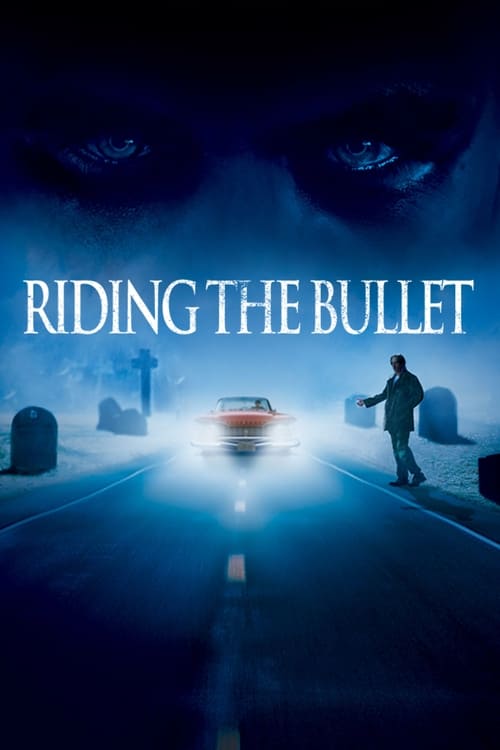
In 1969, while studying at the University of Maine, artist Alan Parker becomes obsessed with death. Believing he is losing his girlfriend, he tries to commit suicide on his birthday but his friends manage to stop him. He receives news that his mother has had a stroke and decides to hitchhike to visit her at the hospital.
2007
1995
2008

2004
1995
2009
1960
2004
No reviews yet. Be the first to share your thoughts on this movie!
Use the rating form above to leave a star rating and optional review.